
Plymouth Sound National Marine Park CEO Elaine Hayes joined civic and academic leaders at the inaugural i-PLACE 25 conference this week, as UK universities and local councils look to unlock nearly £1 billion in partnership funding amid mounting financial pressures. Facing unprecedented financial challenges, both sectors are turning to innovative collaborations to secure investment and drive inclusive growth across the country.
Amid the backdrop of the Budget, both sectors remain under severe financial strain. Universities UK warns the higher education sector faces a £1.4 billion net loss, while local authority debt has soared to £122 billion, according to BBC analysis. A recent Key Cities survey also revealed that 60% of councils plan to sell assets to maintain essential services such as adult and children’s social care.
In response, universities and councils are seeking partnership-based innovation funding that requires collaboration between civic institutions, academia, and private industry.
The inaugural i-PLACE 25 conference, organised by Key Cities Innovations Network, is gathering university, council, and industry leaders to explore how innovation districts and ecosystems boost growth and opportunity across the UK.
Under the theme of “Innovation Districts and Ecosystems: Boosting Growth and Opportunity,” the event features a breakfast session with Audra Gill, Head of Creative Industries at the Arts and Humanities Research Council (AHRC), discussing nearly £1bn of partnership funding, including:
- £500m UKRI Local Innovation Partnerships Fund
- £150m Creative Places Growth Fund from DCMS, devolved to six mayoral authorities
- A new £100m+ open call under the AHRC Creative Industries Clusters Programme (launching January 2026)
The conference also showcases pioneering local innovation projects from nine universities within the Key Cities Innovation Network, highlighting successful case studies of partnerships that deliver tangible economic and social impact.
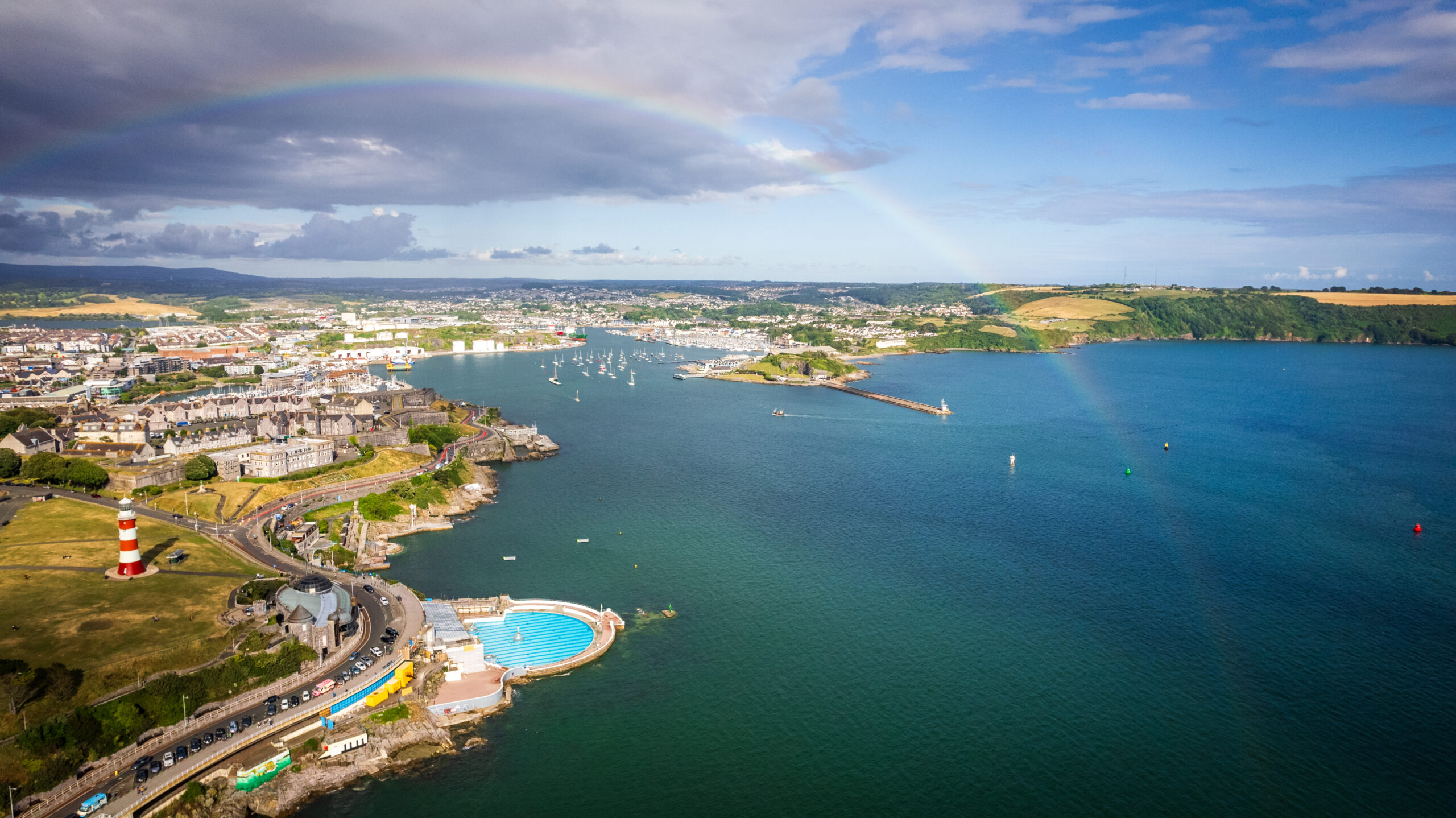
Among the notable speakers was Elaine Hayes, CEO of Plymouth Sound National Marine Park , who joined national leaders to share insights on how coastal innovation and marine sustainability can drive regional regeneration. Notable speakers include:
- Laura Dyer, Deputy Chief Executive, Arts Council England
- Audra Gill, Head of Creative Industries, AHRC
- Paul Dennett, Mayor of Salford
- Cleo Newcombe-Jones, Sustainable Places & Regeneration Service Manager at Bath & North East Somerset Council
- Prof. Joe Yates, Vice-Chancellor of Wrexham University in North Wales
The Key Cities Innovation Network connects universities, local government, parliamentarians, and civic stakeholders across 24 towns and cities. Current university members include Bath Spa University, University of Bradford, Coventry University, University of Essex, Lancaster University, University of Lincoln, University of Plymouth, University of Salford, University of South Wales, University of Southampton, and Wrexham University.
Laura Dyer, Deputy Chief Executive Places, Engagement & Libraries of Arts Council England, said:
“Key Cities Innovation Network shows what’s possible when civic partners lead with collaboration and ambition. Arts Council England is proud to support i-PLACE 25 and to work alongside local government, higher education and industry to unlock the full potential of towns, villages and cities across the country”.
Prof. Nic Beech, Vice-Chancellor of the University of Salford and Vice Chair of Key Cities Innovation Network, said:
“I’m proud to see the University of Salford acting as a foundation partner for this important conference to discuss how innovation can supercharge growth and opportunity across the UK. It’s something that runs through our DNA at Salford and plays a key role in our University Strategy, Innovating to Enrich Lives. We are committed to innovation that creates a more sustainable, equitable, healthy, creative, and prosperous world. It is vital that universities, local authorities and partners come together for these important conversations — not only for the benefit of our institutions, but for the communities we serve, and the collaborations that will shape our shared future.”
Cllr Michael Mordey, Deputy Chair of Key Cities Network and Leader of Sunderland City Council, said:
“It is great to see our councils, universities, public bodies, and private sector partners working together to drive local innovation in our urban areas, and to witness the opportunities that such partnerships can unlock. True change cannot be delivered in isolation, and we look forward to continuing the cross-sector discussions and knowledge sharing that i-PLACE 25 ignited through ongoing engagement via the Key Cities network, the Key Cities APPG, and the Key Cities Innovation Network.”
The full list of partners for the i-PLACE 25 conference includes: Arts Council England, Connected Places Catapult, Arup, MediaCityUK, GM Business Growth Hub, BEYOND Conference, University of Salford, and Salford City Council.