
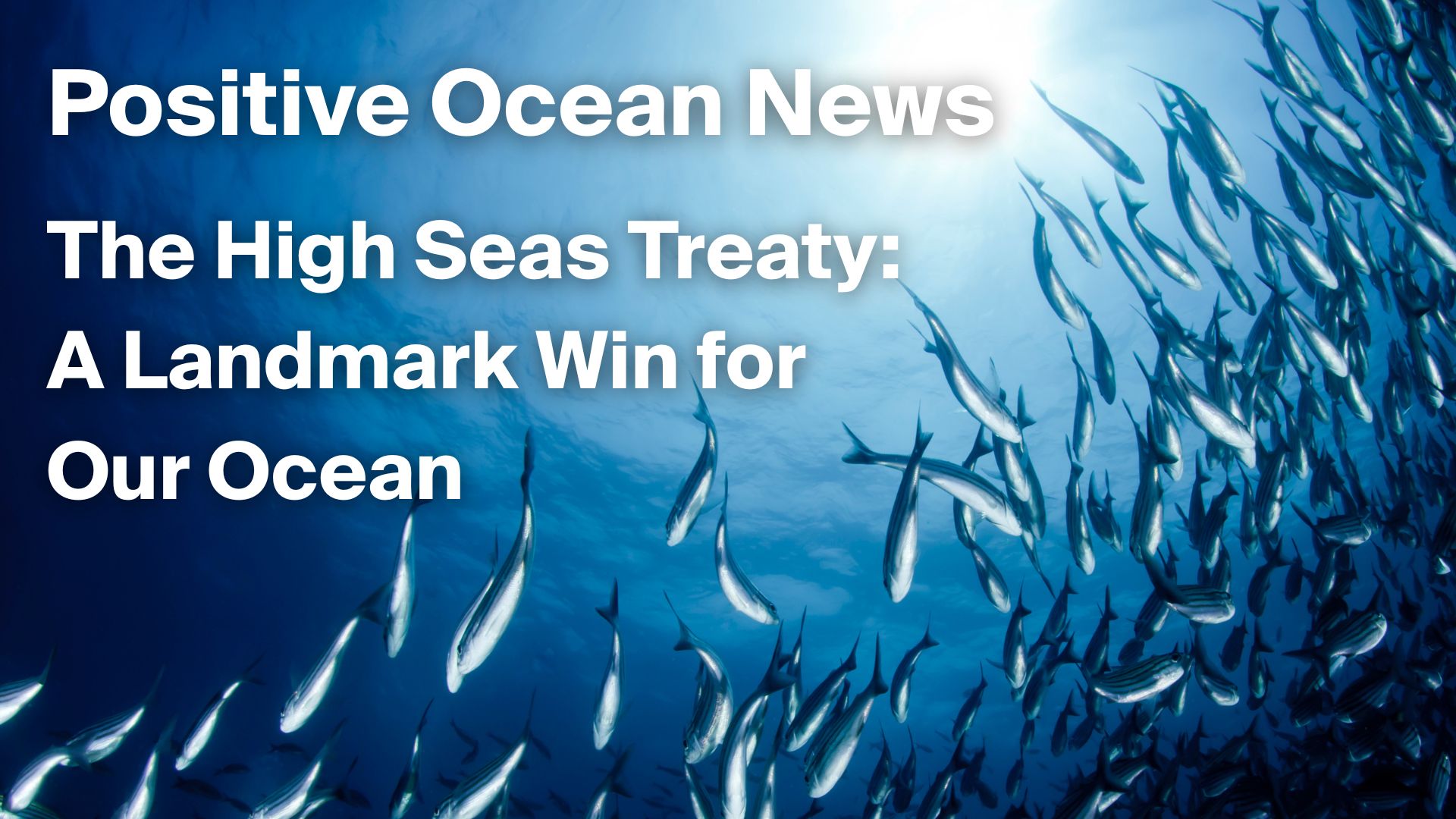
A historic moment for ocean protection has just been reached. The UN High Seas Treaty has officially cleared its final hurdle and is set to come into force in January 2026. After nearly two decades of negotiations, enough countries have now signed up to make it legally binding – a massive step forward for people and planet.
What is the High Seas?
The high seas are the parts of the ocean that do not belong to any single country. They cover two-thirds of the world’s ocean and play a vital role in keeping the planet healthy. From supporting fisheries to absorbing carbon emissions and providing a home to incredible wildlife, these waters are essential – but until now, they’ve had very little protection.
Why is the Treaty such a big deal?
For the first time ever, there are legally binding rules to protect waters that belong to no one, but benefit everyone. With this treaty:
- Countries can now officially create marine protected areas on the high seas, like national parks at sea.
- It supports the global goal to protect 30% of the ocean by 2030.
- International cooperation will improve across industries like fishing, shipping, and mining, helping to stop unchecked exploitation.
- It directly supports the fight against climate change, as the ocean absorbs nearly a quarter of human-caused carbon emissions.
A turning point for people and nature
Only about 1% of the high seas is currently protected, even though they are home to hundreds of thousands of species. This treaty changes that, giving the global community the tools to safeguard some of the most important ecosystems on Earth.
It’s a reminder that the ocean may not belong to anyone, but it is everyone’s responsibility. By working together, countries have unlocked a legal framework to protect biodiversity, support livelihoods, and ensure a healthier ocean for future generations.
Looking ahead
The High Seas Treaty will officially take effect on 17 January 2026. From then, governments will be able to put vital protections in place, bringing us closer to restoring ocean health and resilience.
For a park like Plymouth Sound National Marine Park, moments like this show how local, national, and global action intertwine. Protecting the sea on our doorstep is part of a much bigger journey – one where every effort, from community projects to international agreements, helps create a safer, bluer future.