
Species of the Sound
From Rame Head to Wembury and up our estuaries, Plymouth Sound is full of wonderous marine species and is one of the richest marine environments in the UK. From colourful underwater habitats to the birds and marine life along the shoreline, there is always something to spot if you take a closer look.
Beneath the surface, hidden worlds are thriving, while above the water, the Sound is constantly moving with life and energy. It is a place of discovery, where every visit offers something different. Dive in and explore the incredible species that call Plymouth Sound home.
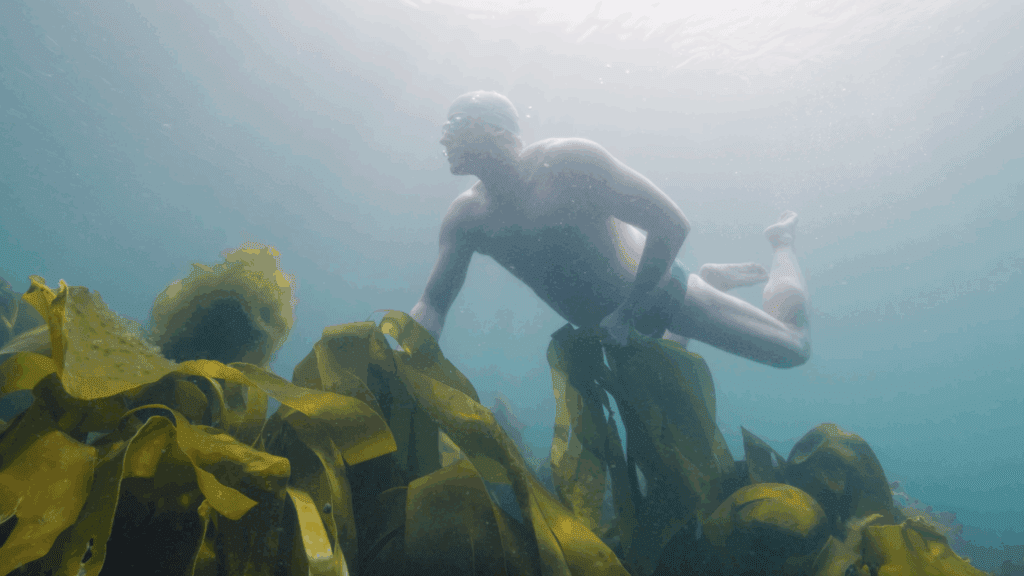
Did you know?
There are over 1,000 species that call Plymouth Sound National Marine Park their home, including sharks, dolphins, seals, seahorses and rays.
Take a look below, you maybe surprised at the fantastic wildlife we have living right on our doorstep!
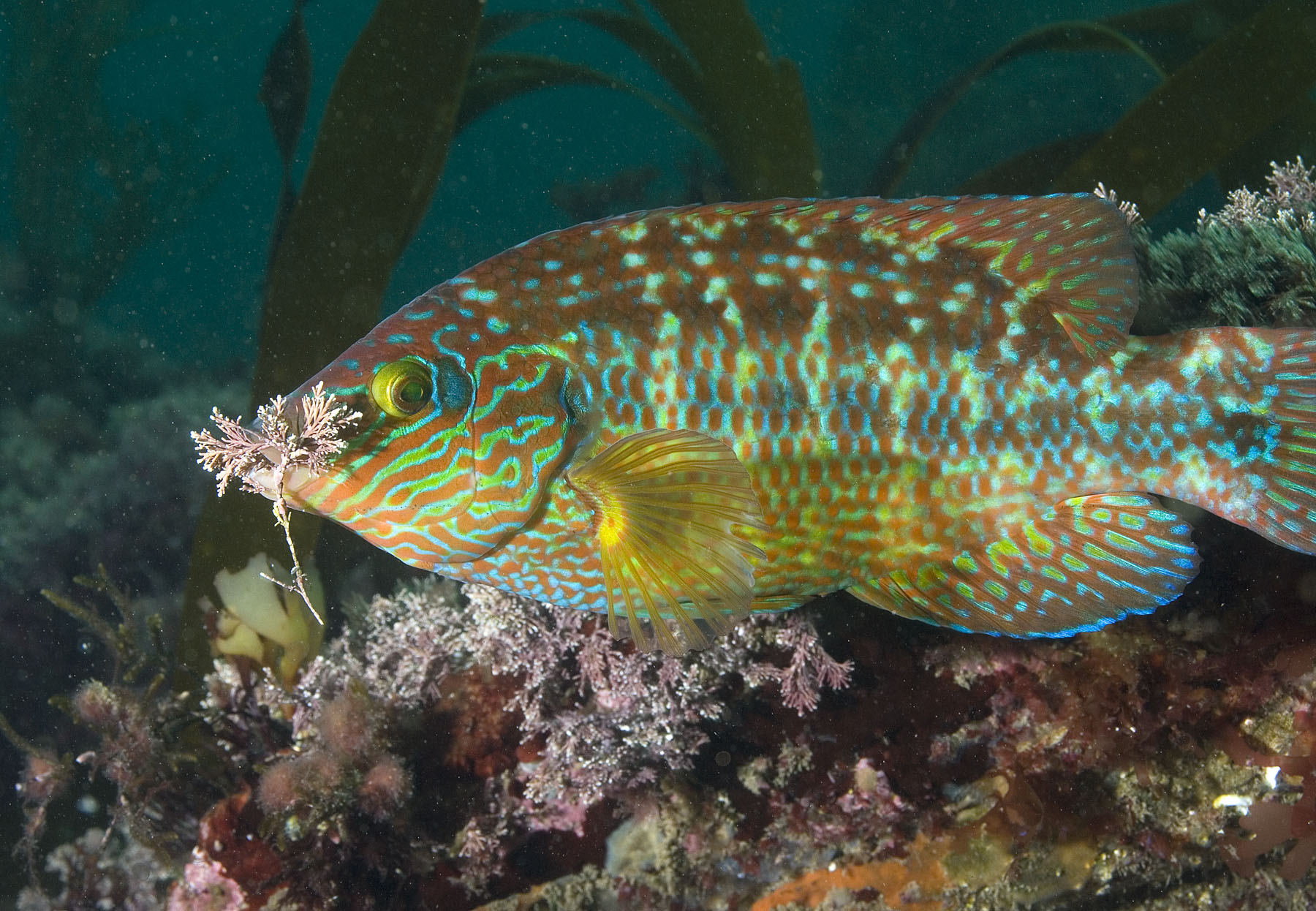
Corkwing Wrasse
- Corkwing wrasses are masters of disguise, with colours varying from green and reddish-green to greeny-brown. Males often sport striking blue lines on their lower halves.
- Male corkwing wrasses are talented architects, constructing elaborate nests from seaweed in rock crevices or among seagrasses.
- These colourful foragers feast on small crustaceans and molluscs, playing a vital role in our marine food web.
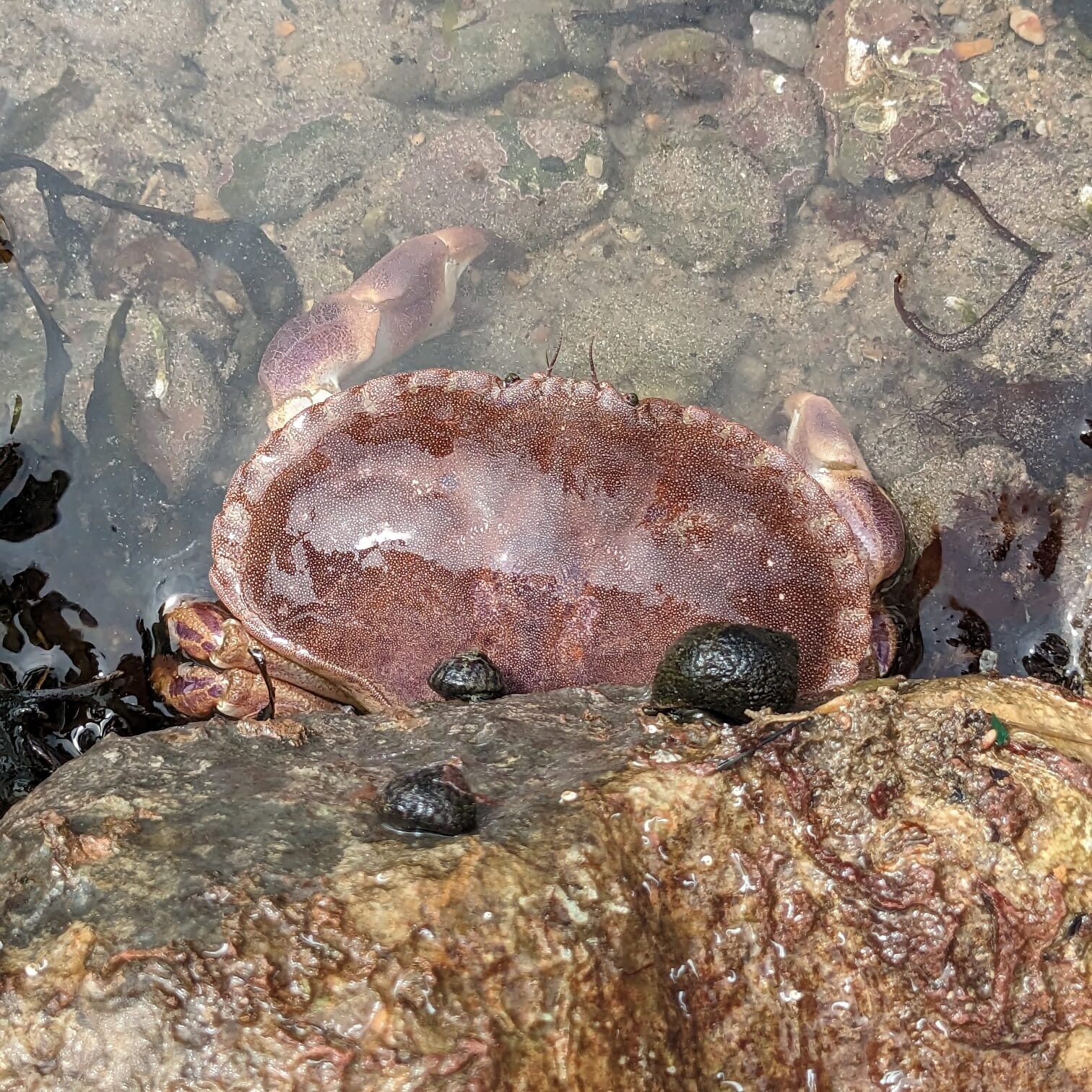
Edible Crab
- The edible crab’s shell has a crimped “pie crust” edge and a chunky, pasty-shaped body. That’s why people in the South West call it the Cornish pasty crab.
- It is one of the largest native crabs in UK waters, with adults commonly reaching around 15 cm across the shell and sometimes growing up to a hefty 25 cm wide.
- This crab is a night-time hunter, hiding under rocks by day and coming out after dark to crunch through mussels, whelks and even smaller crabs with its powerful black-tipped claws.
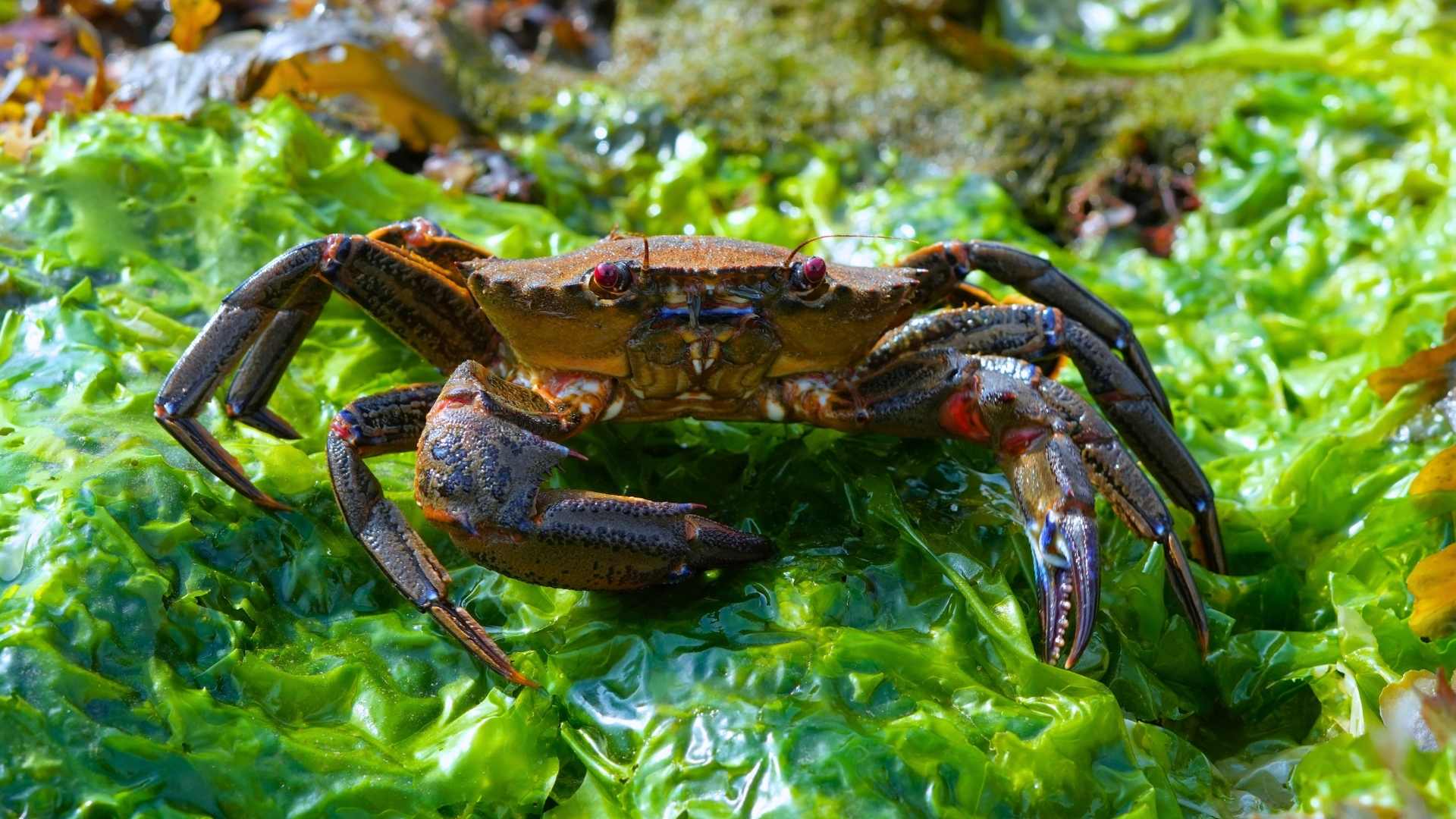
Velvet Swimming Crab
- Also known as the devil crab, it has striking bright red eyes and a famously feisty attitude, often squaring up to would‑be predators (and rockpoolers!) rather than retreating.
- The velvet swimming crab gets its name from the fine hairs on its shell, which feel like soft velvet to the touch and give it a slightly fuzzy look.
- Its back legs are flattened into little paddles, turning it into one of our fastest crabs, zipping through the water to chase down prawns, small fish and other speedy prey.
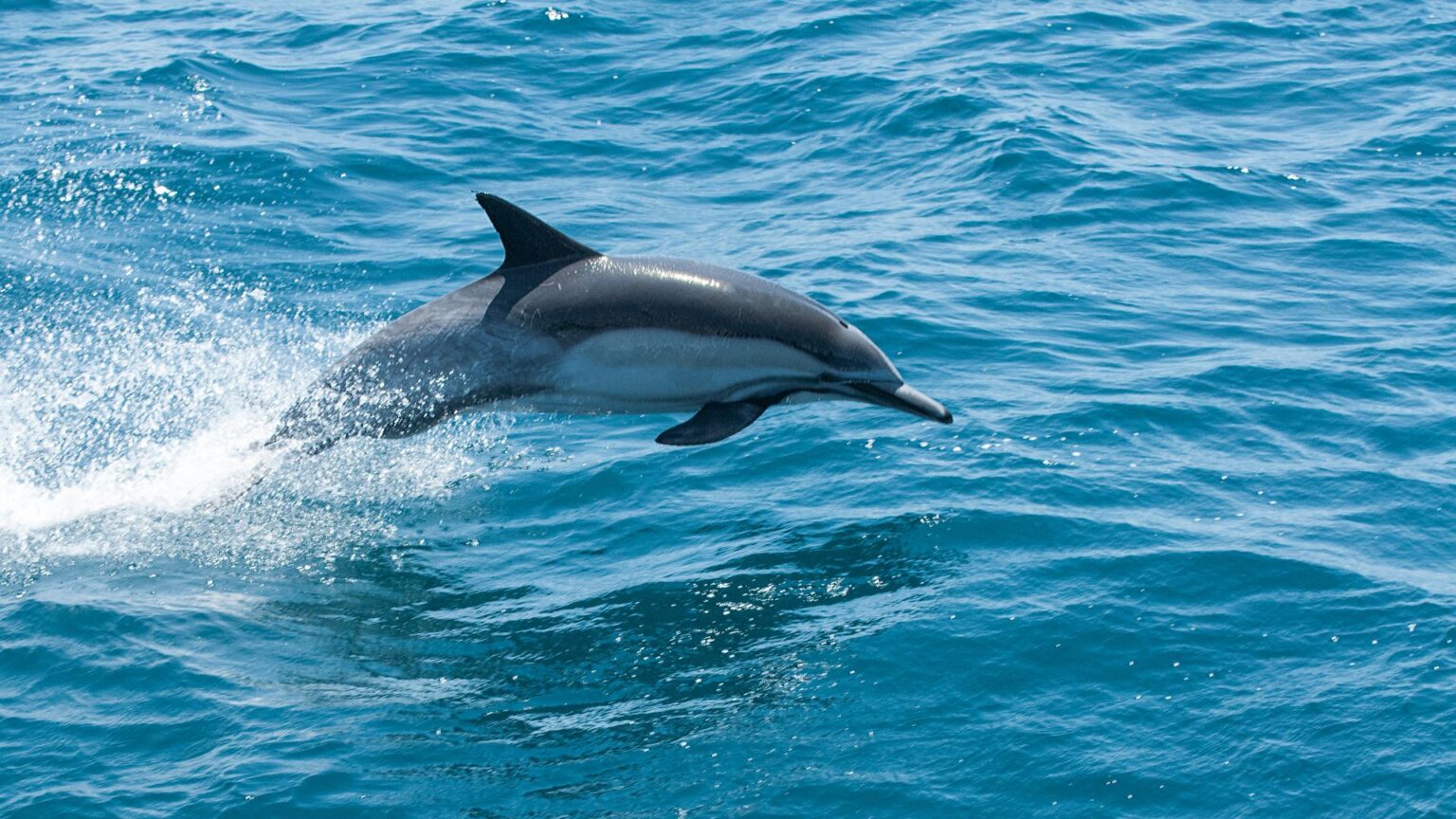
Common Dolphin
- Common dolphins are highly social animals, often seen in large pods that can number in the hundreds or even thousands. If you’re lucky, you might witness these pods engaging in cooperative hunting behaviour, working together to catch fish in Plymouth Sound.
- Common dolphins are incredibly fast swimmers, capable of reaching speeds up to 37 miles per hour. This agility serves them well when hunting or evading predators in the waters of our National Marine Park.
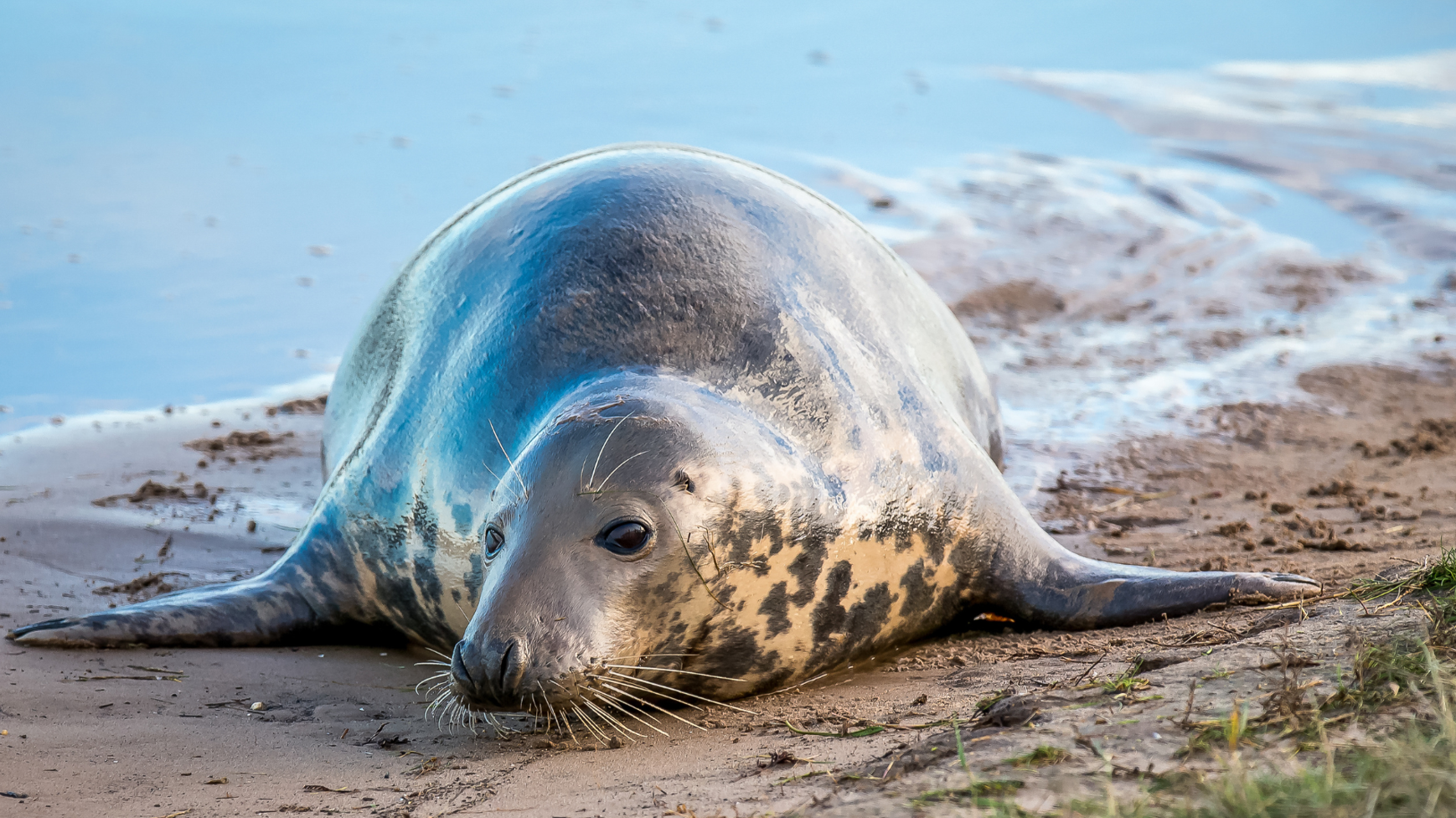
Grey Seal
- Grey seal pups weigh only about 14 kg at birth but quickly bulk up thanks to their mother’s high-fat milk.
- They can dive to depths of around 70 metres when searching for food.
- They can stay underwater for up to 16 minutes by slowing their heart rate to conserve oxygen.
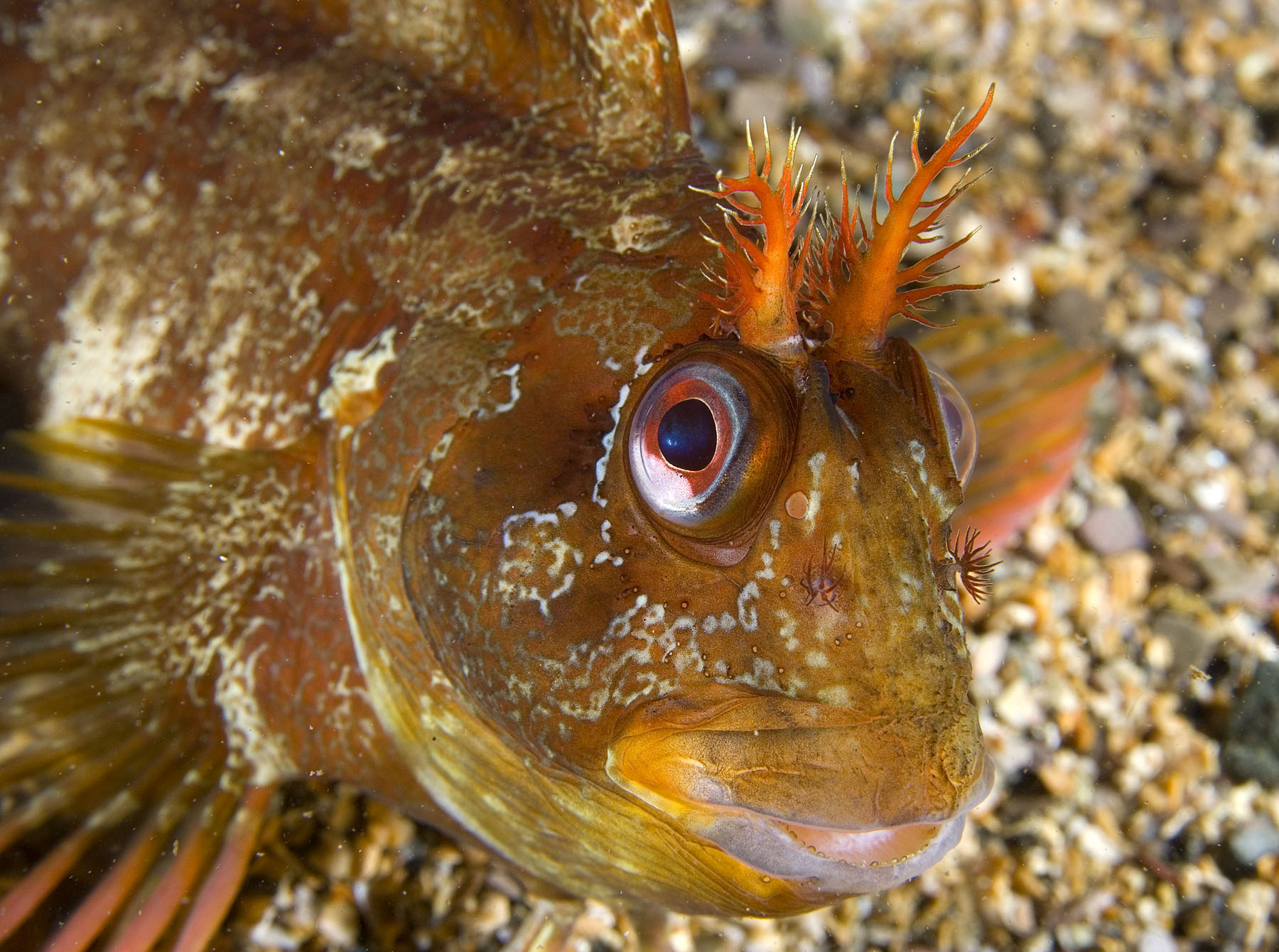
Tompot Blenny
- The tompot blenny is nicknamed “the fish with antlers” thanks to its quirky little frilly tentacles that stick up above each eye like tiny eyebrows.
- Divers and snorkellers often find the same tompot guarding the same rocky crevice trip after trip – they’re homebodies with big personalities and very strong opinions about their favourite hidey-holes.
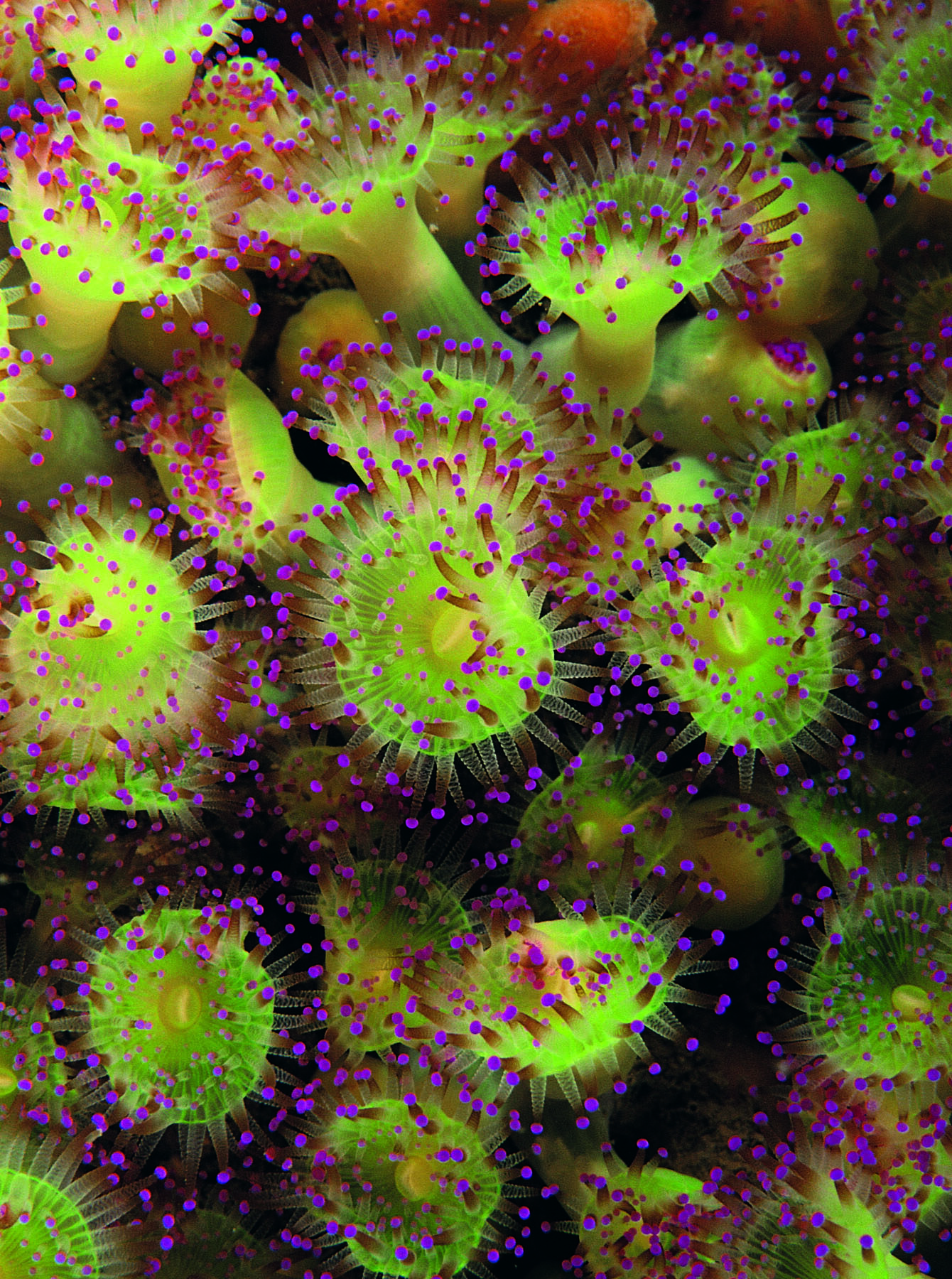
Jewel Anemones
- Jewel anemones are tiny – only about a centimetre across – but they pack in around a hundred tentacles, each tipped with a little ball that looks just like a bead or gem.
- They come in dazzling colours, from neon pinks and purples to greens, oranges and yellows, and often carpet rocks and wrecks like an underwater patchwork quilt.
- A single jewel anemone can clone itself, splitting into copies of the same colour so whole clusters are often “families” of identical, jewel-bright individuals.
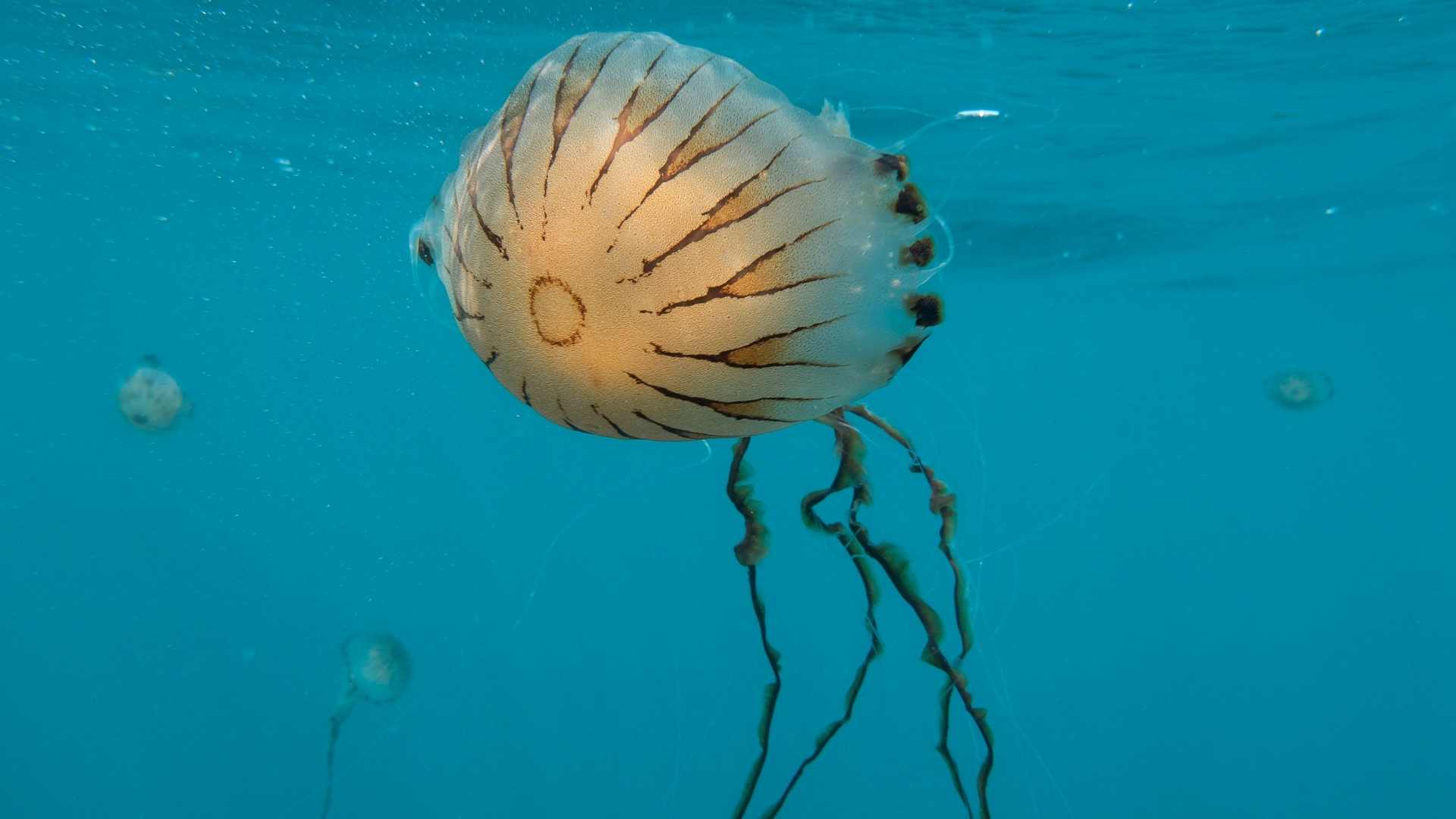
Compass Jellyfish
- The compass jellyfish is named for the bold brown V‑shaped markings on its bell, which radiate from a central spot like the points of a compass.
- It’s a summer visitor to UK coasts, drifting near the surface and feeding on small fish, crabs, plankton – and even other jellyfish.
- Those long, fine tentacles deliver a sharp sting and can still sting even when detached, so it’s very much a “look, don’t touch” jelly on beach days.
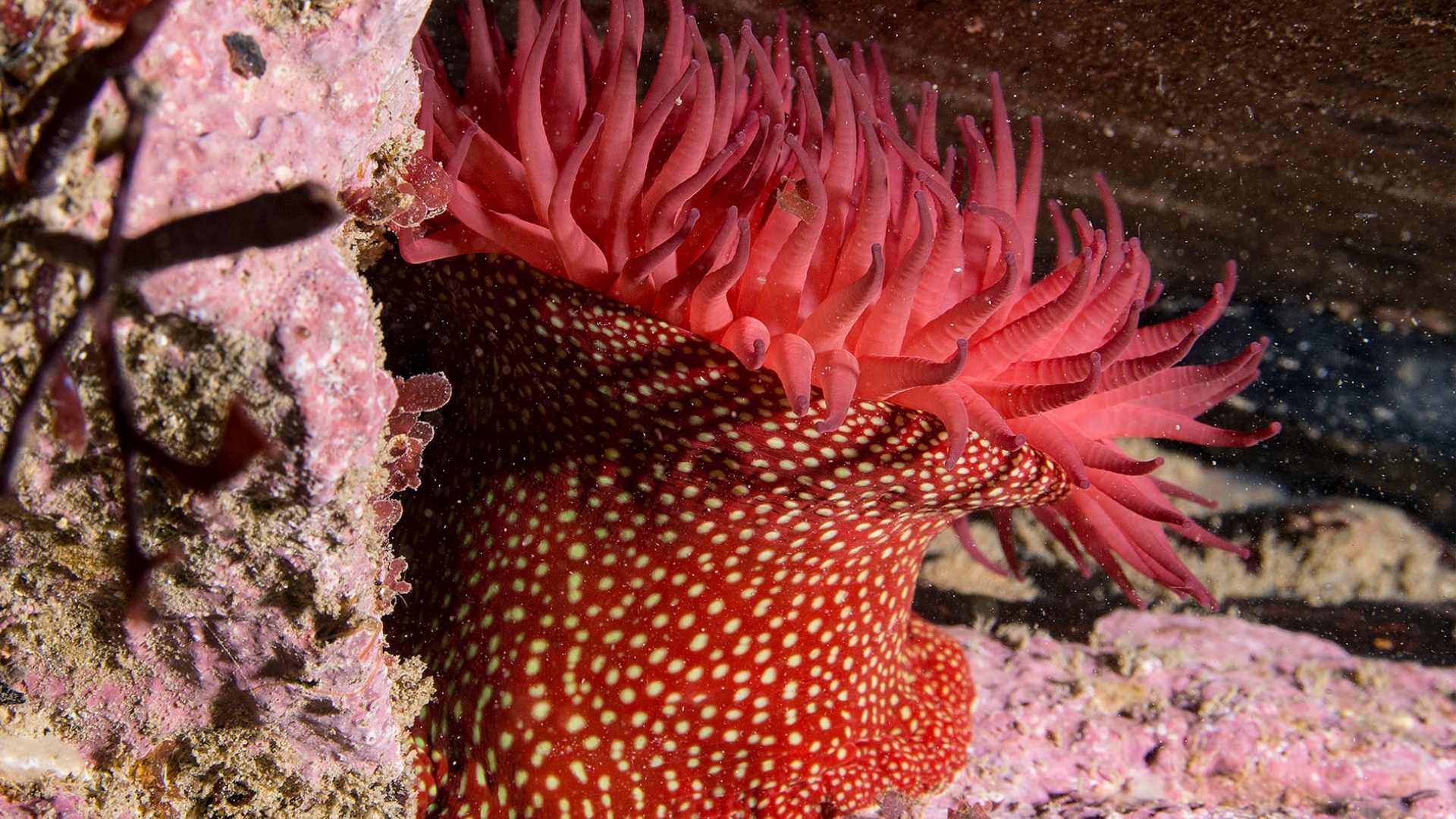
Strawberry Anemone
- Strawberry anemones get their name from their bright red or pink bodies covered in tiny, pale bumps, which look a bit like the seeds on a strawberry.
- They are colonial creatures, often forming tight clusters so that rocks and ledges can end up looking like they’ve been dipped in strawberry jam.
- Like other anemones, they use stinging tentacles to snare passing plankton and tiny animals, but to us they’re harmless – perfect to admire on a careful rockpool explore.
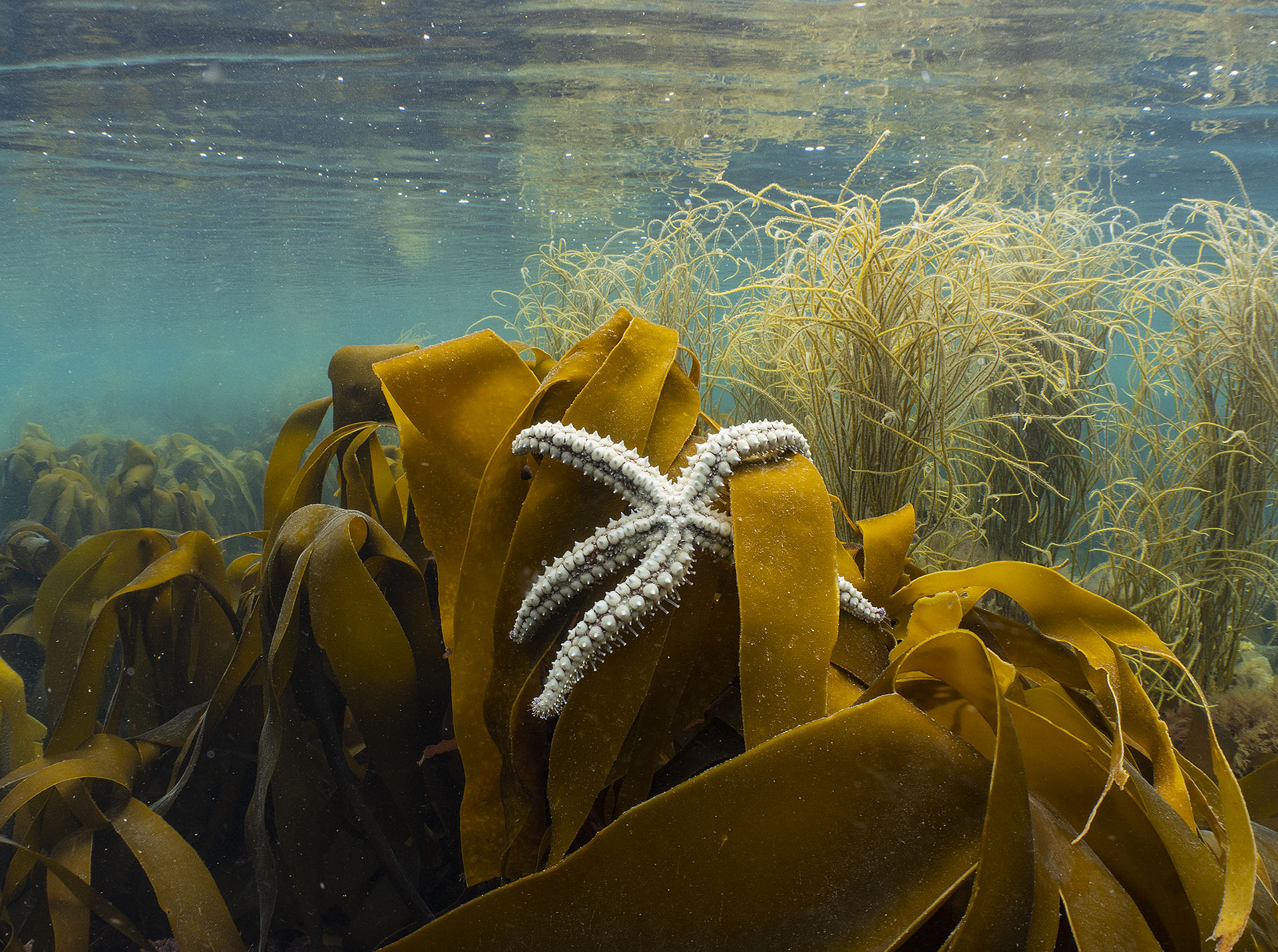
Spiny Starfish
- The spiny starfish looks like a classic five‑armed star but is covered in stiff, pale spines, giving it serious “do not mess with me” energy.
- It’s a powerful predator, using hundreds of tube feet to prise open mussels and other shellfish, then ever‑so‑slowly turning its stomach inside out to digest its meal.
- If it loses an arm to a hungry gull or crab, it can grow a new one back over time – a handy party trick in a busy, bumpy rockpool world.
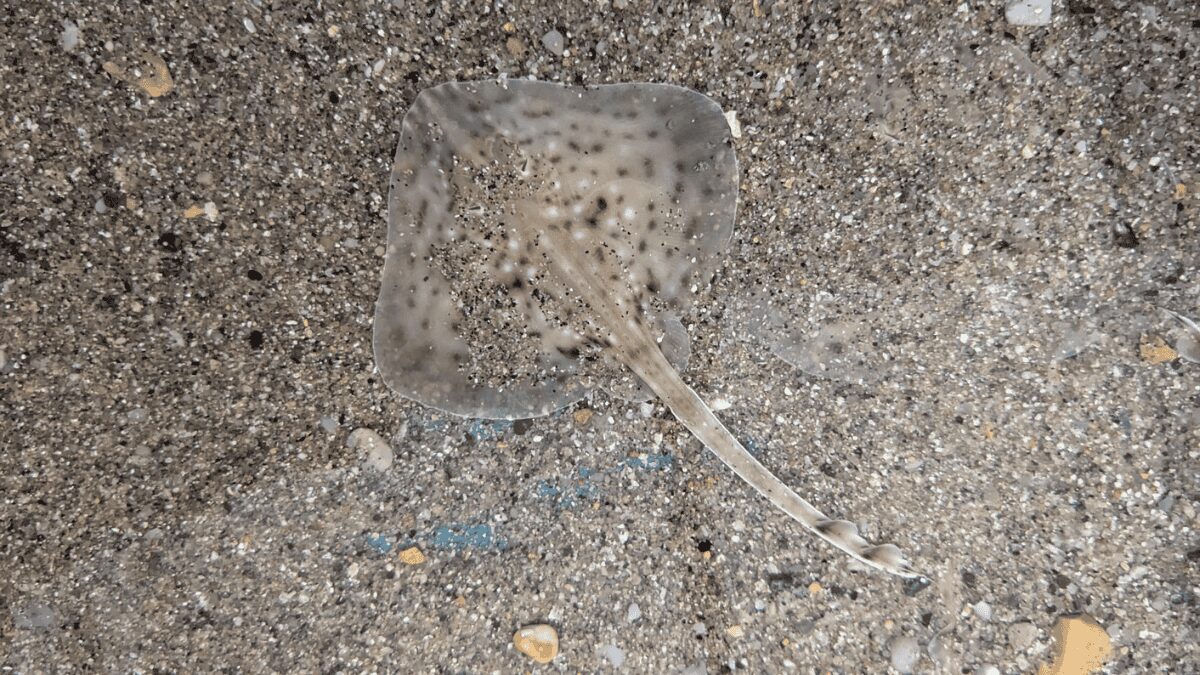
Small-eyed Spotted Ray
- The small‑eyed ray has a smooth, kite‑shaped body covered in small, dark spots, with its relatively tiny eyes set well forward near the tip of its ‘wings’.
- It spends much of its time half‑buried in sand or gravel, flicking its fins to hide and then ambushing passing fish and crabs with a sudden burst of speed.
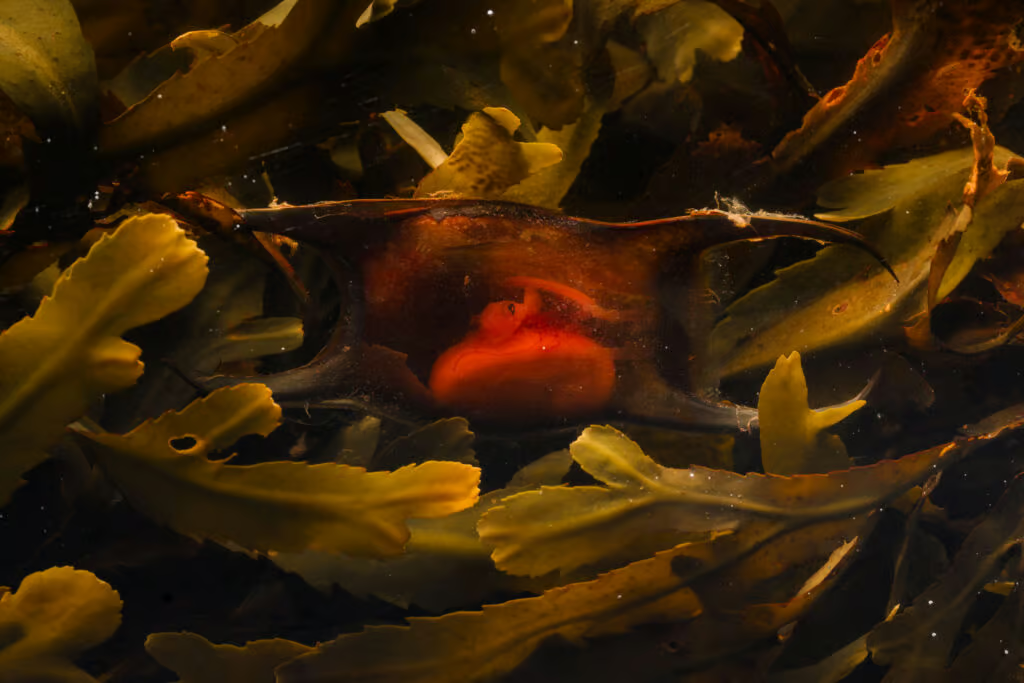
- Like other rays, it lays tough, leathery egg cases known as mermaid’s purses, which sometimes wash up on beaches and can be found by sharp‑eyed strandliners along the shore.
Project highlight
Little Rays of Hope
Little Rays of Hope is an education‑led project shining a spotlight on the skates and rays that live in Plymouth Sound, in collaboration with the Marine Biological Association, we followed the early life cycles of ray pups. We brought their journey to Plymouth to help local people connect with, and care about, their Marine Park.