
Community Anchor Points
What are Community Anchor Points?
Community Anchor Points are welcoming spaces across Plymouth Sound National Marine Park where people can connect with the sea, nature and local heritage.
They are everyday places with extraordinary views and wildlife. Places where you can walk, explore, learn something new or simply pause and take in the water.
Our Community Anchor Points include:
- Firestone Bay and Devil’s Point
- Ernesettle Creek
- Kinterbury Creek
- Blagdon’s Meadow
Each one offers a different way to experience Plymouth Sound, from quiet creeks and coastal paths to open water and green space. Together, they help make the UK’s first National Marine Park accessible to more people, in more neighbourhoods.
They are places to arrive, breathe and feel part of something bigger.

We know that people want simple, affordable ways to enjoy Plymouth Sound. Better access. Clear information. Spaces that feel open and welcoming.
Community Anchor Points are part of that commitment.
We are working with local residents and community partners to improve these sites, making it easier to reach the water, understand its history and enjoy the wildlife on your doorstep. Through our Pathways to the Sea programme, we are improving routes and removing barriers so more people, from more backgrounds, can spend time in these blue and green spaces.
When people feel connected to the sea, they care about it.
Community Anchor Points help turn that connection into everyday experience, strengthening pride in place and building a deeper relationship with Plymouth Sound.
Firestone Bay (Devil’s Point)
Sea swimming, wildlife and heritage at the edge of Plymouth Sound
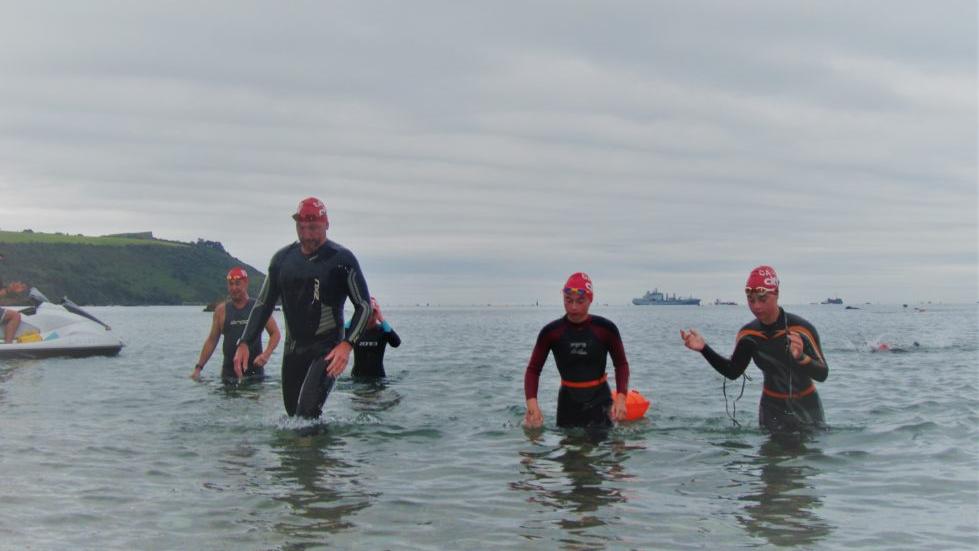
Where the River Tamar meets Plymouth Sound, Firestone Bay is one of the best known wild swimming spots in the city. At dawn you’ll find swimmers in the water. At low tide, families explore the rockpools. Throughout the year, seals are often seen offshore.
Above the bay stands the 16th century artillery tower, a reminder that this stretch of coastline has long watched over the harbour approaches.
What you’ll find
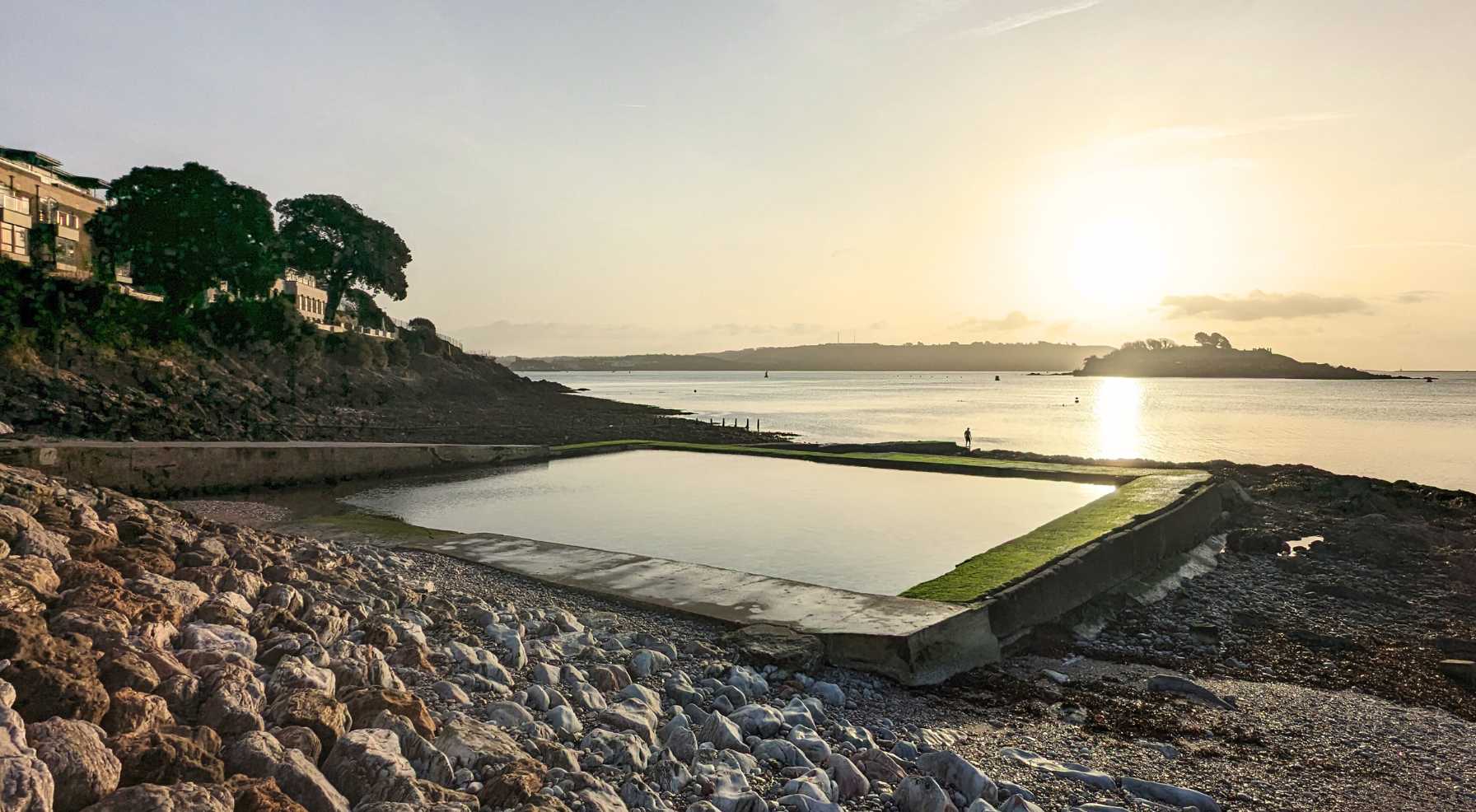
- A shingle beach and tidal pool within a designated bathing water site, popular for sea swimming, snorkelling, paddle sports and scuba diving
- A strong, welcoming open water swimming community
- Views across Plymouth Sound to Mount Edgcumbe and Drake’s Island
- Rich marine habitats including seagrass beds, anemones, crabs, lobster and a wide range of fish
- The Grade II listed artillery tower, now home to a restaurant.
Horizons Project Work
- Working with the local community to improve access so more people can benefit from this free blue health space
- A programme of free ranger-led activities including rockpooling, beach cleans, foraging, botany sessions and heritage walks
- Blue Connection activity with the neighbouring Stonehouse community
Why it Matters
Firestone Bay and Devil’s Point show Plymouth Sound National Marine Park at its most active and inclusive. For many people, this is their first step into the sea. It is open, shared and part of everyday life in Britain’s Ocean City.
Ernesettle Creek
Saltmarsh, birdlife and space to slow down
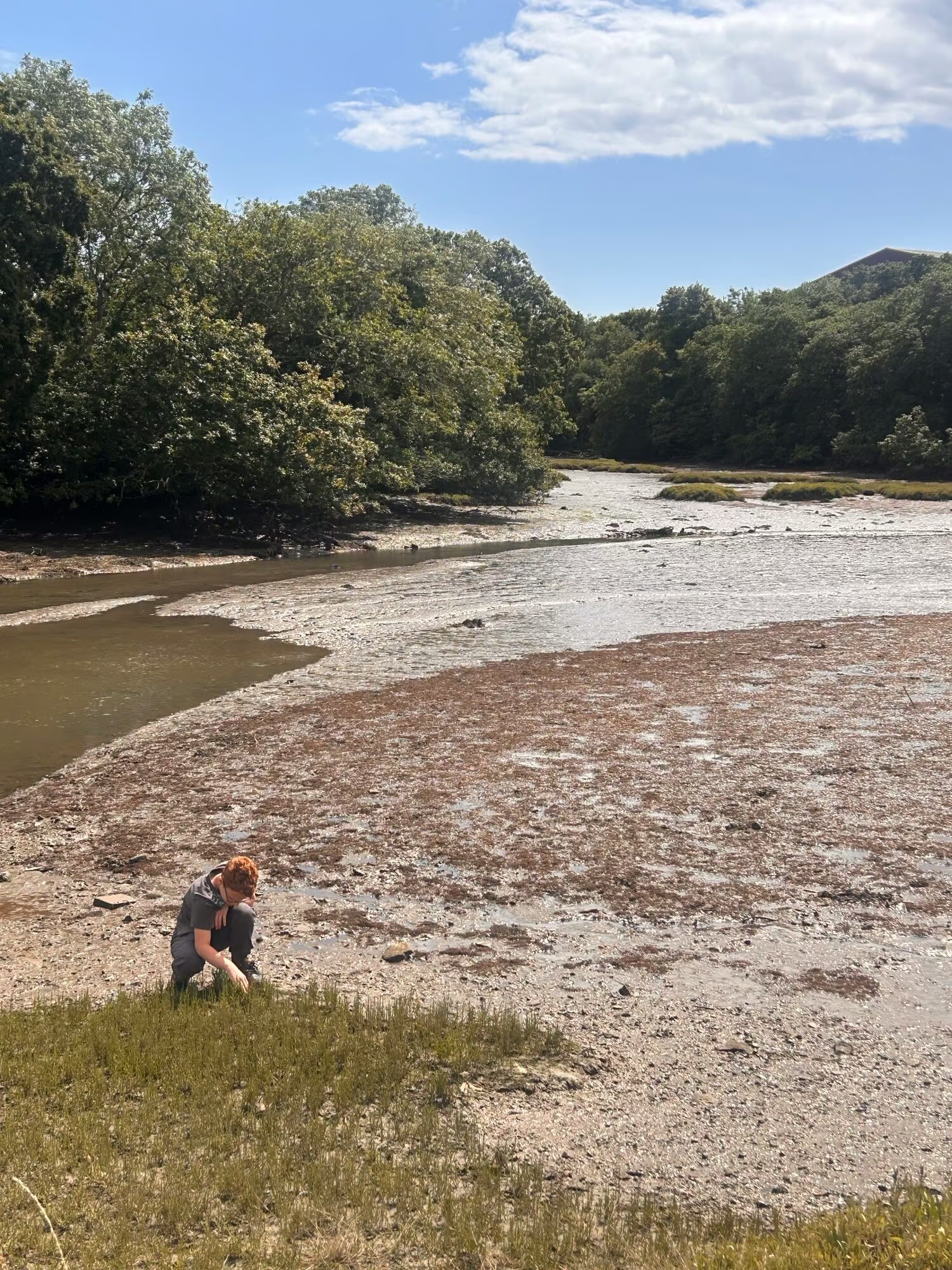
In the north west of Plymouth, Ernesettle Creek is shaped by the tide. Saltmarsh and mudflats form part of the wider Tamar Estuaries, internationally recognised for birdlife.
The remains of Ernesettle Fort overlook the creek, part of the Palmerston defences that once protected Plymouth.
What you’ll find
- Quiet paths and viewpoints for walking and birdwatching
- Wading birds and little egrets feeding on intertidal mudflats connected to the Tamar Estuaries Complex SPA
- Community walks sharing stories of historic mills, manors and local life shaped by the river
- A committed local community caring for this part of the National Marine Park.
Horizons Project Work
- Wayfinding and interpretation co-designed with local residents
- Improvements to paths, seating and access
- Supported walks and gentle activities focused on blue wellbeing, particularly for nearby communities who face barriers to visiting

Why it Matters
Ernesettle Creek connects neighbourhoods with nature. It offers slower space, close-up wildlife and wide estuary views. It shows how the National Marine Park supports everyday access to the sea and its habitats.
Kinterbury Creek
A peaceful Tamar Estuary wildlife site
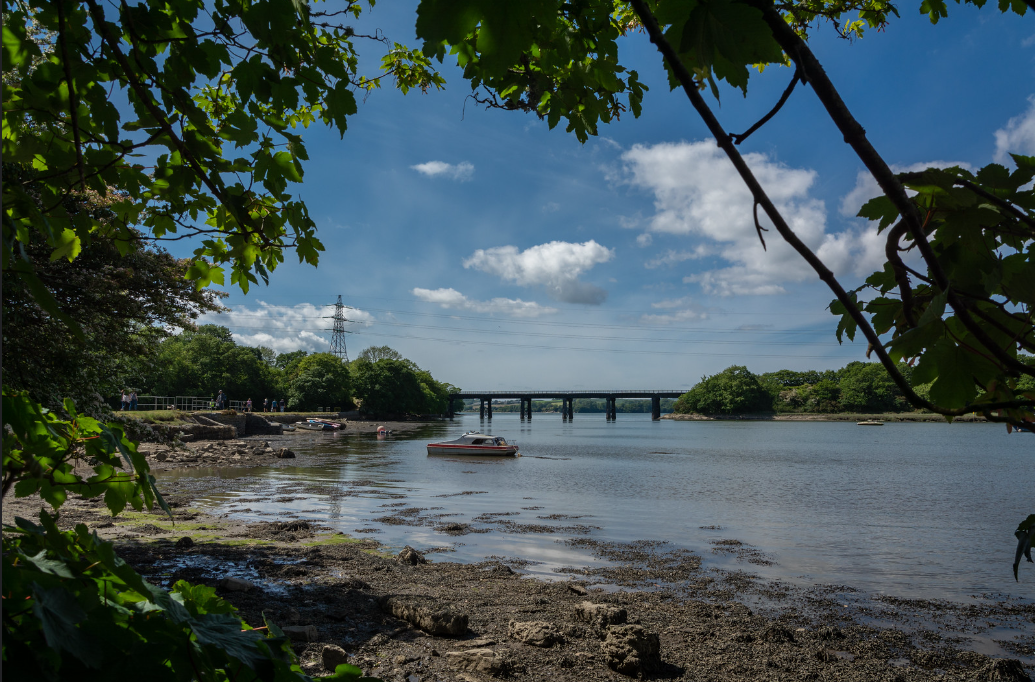
Between Barne Barton and St Budeaux, Kinterbury Creek is a quiet stretch of the Tamar Estuary. Mudflats, reedbeds and saltmarsh sit alongside surfaced paths that lead towards Kiln Bay.
It is a short walk from housing, bus routes and St Budeaux railway station, yet feels a world away.
What you’ll find
- Two hectares of mudflats and saltmarsh
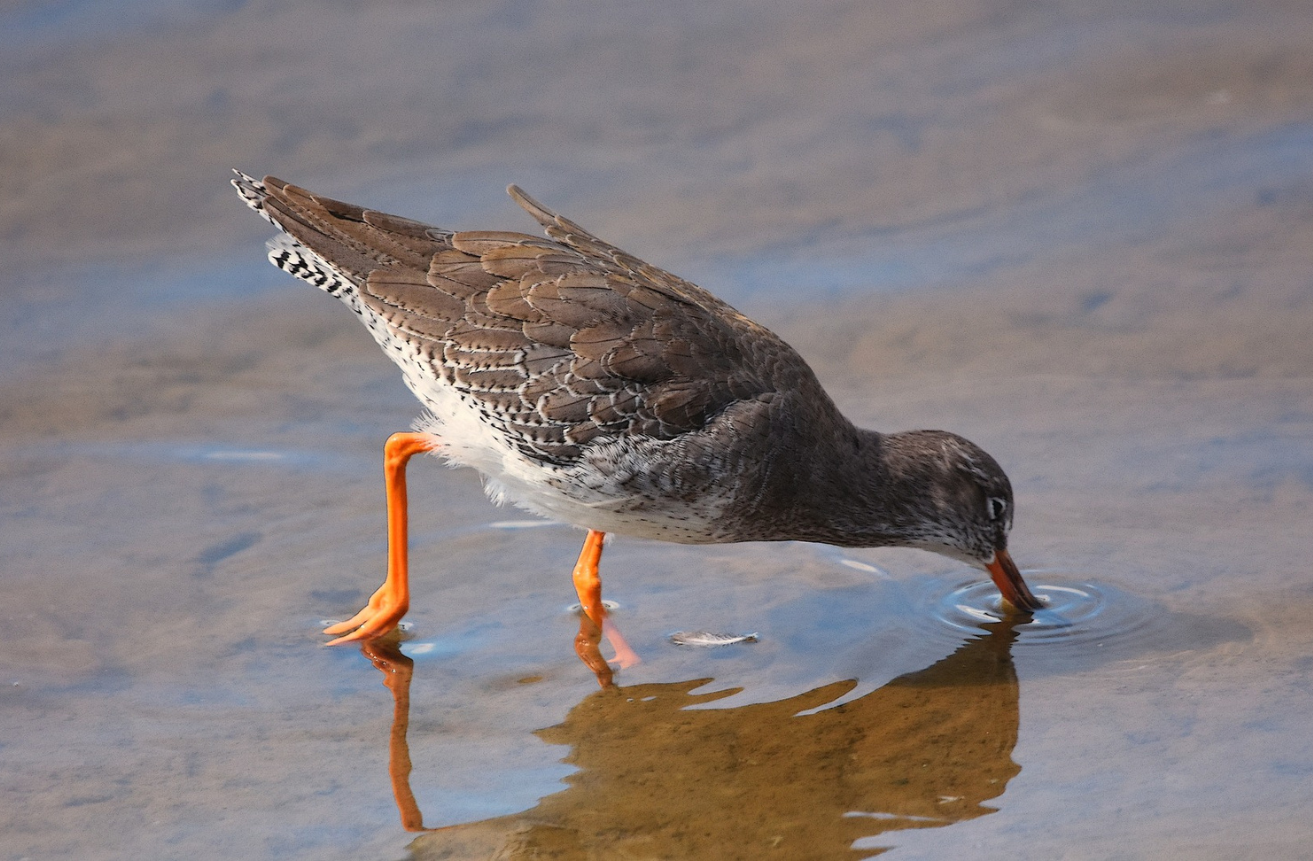
- Wading birds including oystercatchers and little egrets
- Estuary plants such as sea purslane and glasswort
- Accessible paths suitable for walking, wildlife spotting and family visits
- Easy access by public transport.
Horizons Project Work
- Support for local groups delivering low cost activities including community science, nature walks, family events and clean-ups
- Improved entrances and clearer trails
- Interpretation co-designed with local schools and families to make outdoor learning simple and engaging
Why it Matters
Kinterbury Creek sits alongside everyday city life. A short walk from the bus stop can bring you to open sky, birdlife and the rhythm of the tide. It shows how Plymouth Sound National Marine Park is part of the neighbourhood.
Blagdon’s Meadow
A green gateway to the Plym Estuary
Close to Embankment Road and the Plym Estuary, Blagdon’s Meadow is reclaimed grassland now rich in wildflowers. It is a place to picnic, walk and watch the tide, with views towards Saltram.
What you’ll find
- Grassland habitats supporting bee orchids, southern marsh orchids and other notable Devon species
- A waterside viewing area and cycle parking
- Links to the Laira Heritage Trail
- Winter wading birds feeding on the mudflats of the Plym Estuary
Horizons Project Work
- Working with residents from the East End of Plymouth and Tothill Park to shape future activities and improvements
Why it Matters
Blagdon’s Meadow shows how small green spaces connect directly to blue spaces. It offers free, accessible outdoor space where people can pause, meet and enjoy nature beside the estuary.
Activities You Can Try Today
Get in the water
Swim or paddle at Firestone Bay when conditions allow. Join a ranger session or take part in a Rockpool Project Bioblitz.
Get alongside the water
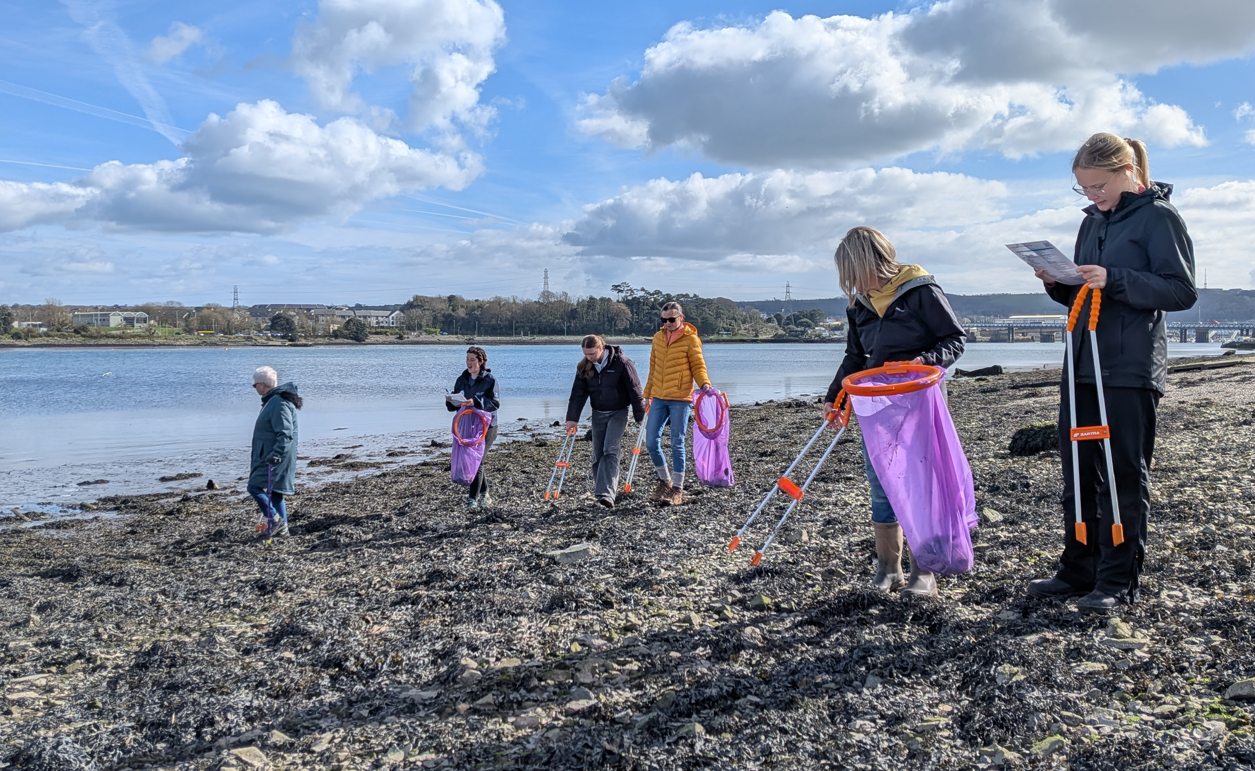
Walk the creek paths at Ernesettle and Kinterbury. Picnic at Blagdon’s Meadow. Join a litter pick to support local wildlife.
Get curious
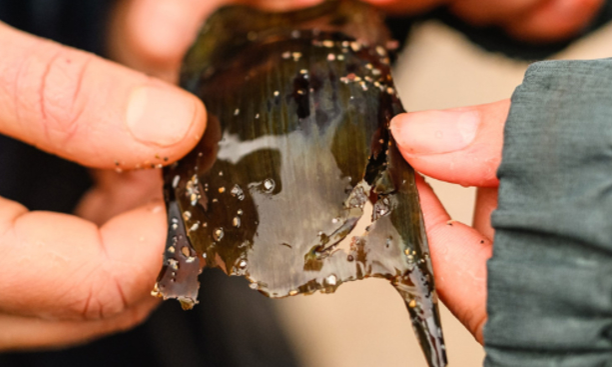
Take part in short heritage walks and ranger talks. Join community science projects such as Wader Watch, Shoresearch and the Great Eggcase Hunt.