
Shipwrecks of the Sound
What is in the National Marine Park?
Beneath the surface of Plymouth Sound lies a hidden archive of adventure, tragedy and survival, where more than 200 recorded shipwrecks rest in quiet procession across the seabed. These are not just lost vessels but echoes of the past, from wooden warships that once guarded the nation to merchant ships claimed by sudden storms and shifting tides. Time has transformed many of them, their timbers draped in kelp and their hulls alive with fish and anemones turning places of loss into thriving underwater worlds. Each wreck holds its own story, of voyages begun, journeys cut short and lives shaped by the sea, waiting to be discovered in the depths of the Sound.
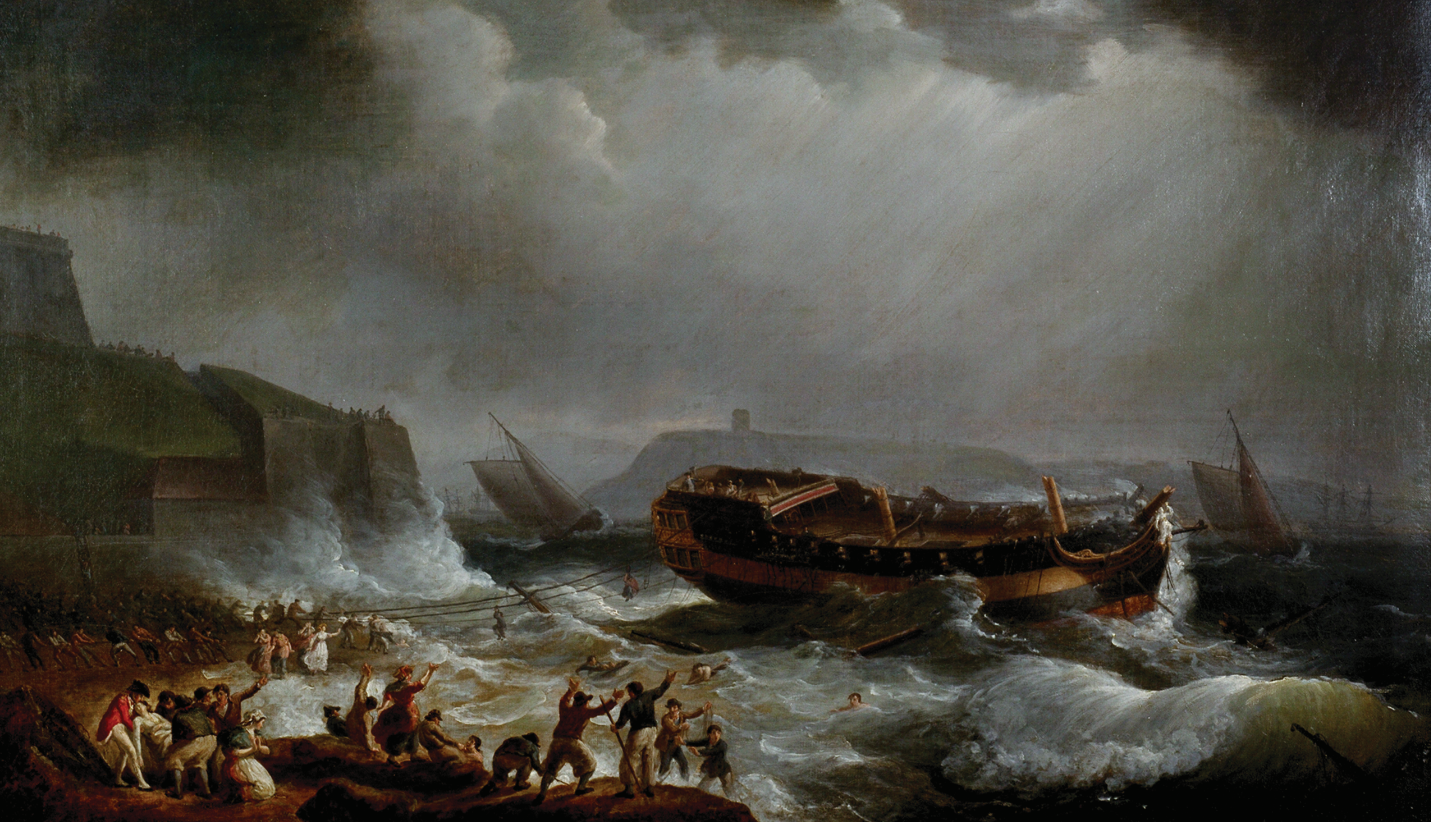
Dutton
In January 1796, the East Indiaman Dutton, carrying hundreds of troops bound for the West Indies, was driven onto rocks in storm lashed Plymouth Sound within sight of the town. Captain Edward Pellew of HMS Indefatigable swam through the freezing sea with a line, helping to rig a rescue that carried people from ship to shore above the waves, saving all but a few of the roughly 600 souls on board and securing the Dutton’s place in Plymouth’s history.
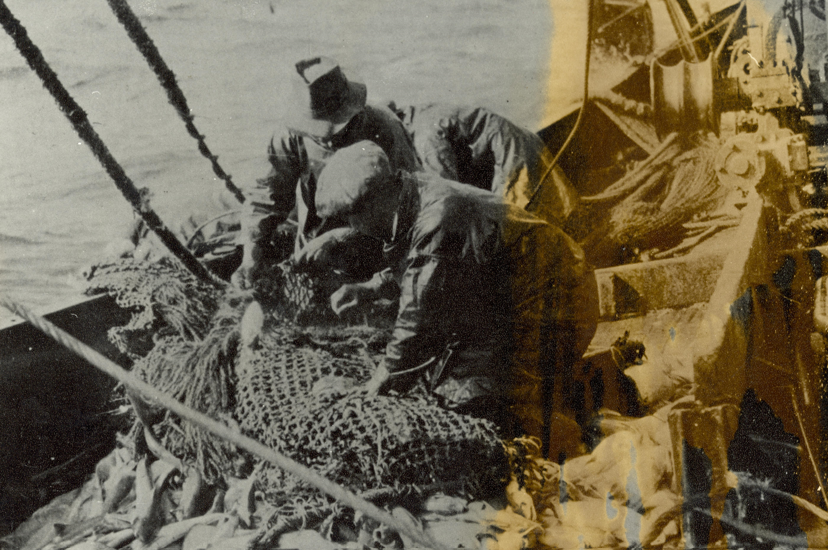
HMS Elk
In November 1940, the steam trawler Elk, a former fishing boat turned Royal Navy patrol and minesweeping vessel, was working the approaches to Plymouth Sound when she struck a mine and sank just outside the entrance in around 30 metres of water. All her crew escaped, leaving the Elk to settle upright on the seabed where her small steel hull, once built for hard northern seas, has become a compact underwater landmark and a favourite dive for those exploring the wartime stories written into the Sound.
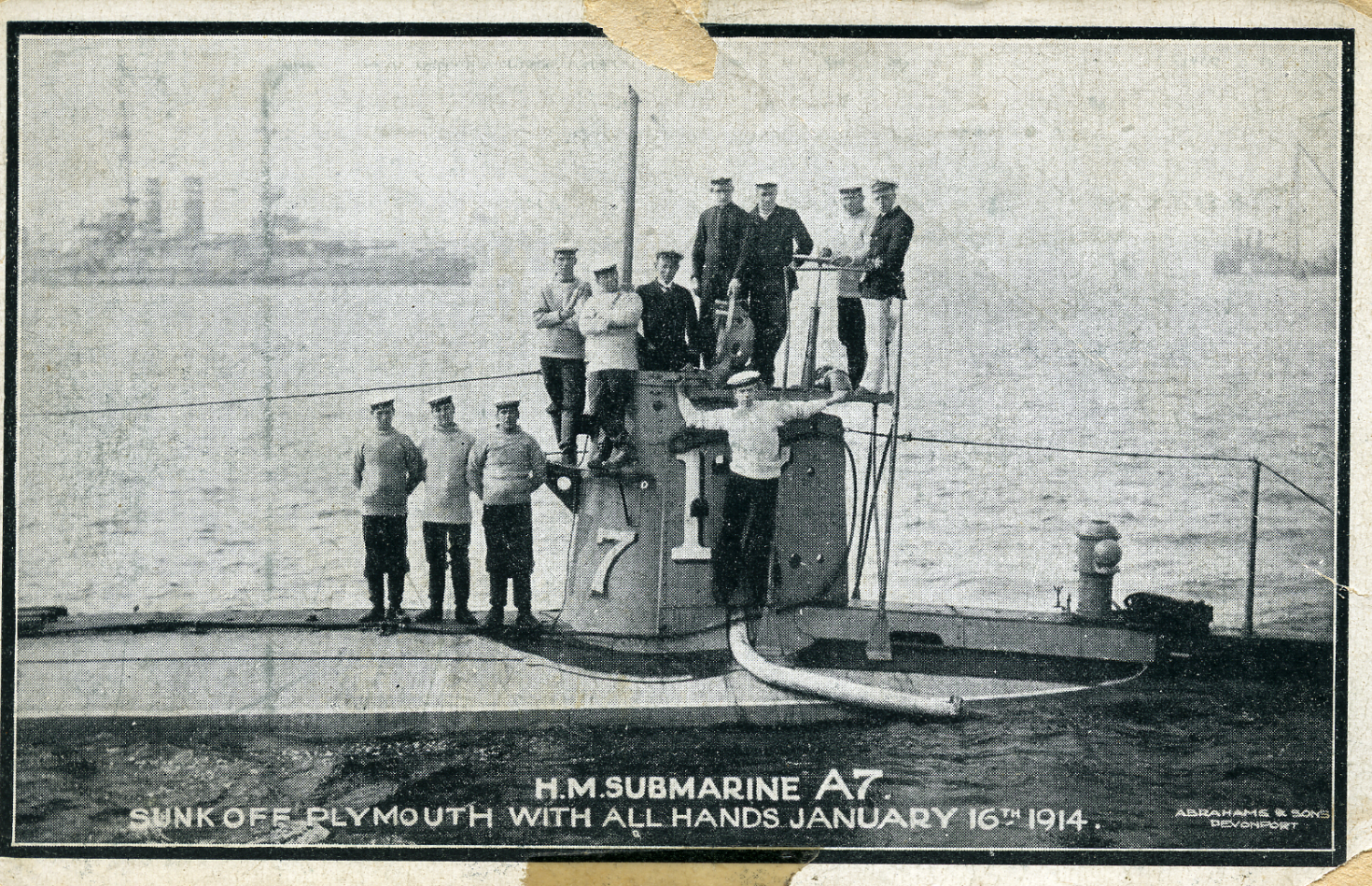
HM Submarine A7
In January 1914, HM Submarine A7, an early Royal Navy submarine on training exercises in Whitsand Bay at the western edge of Plymouth Sound, failed to surface after a practice torpedo attack and sank with all seven crew on board. Trapped on the seabed and beyond the reach of rescue at the time, she became one of the Sound’s most solemn wrecks, her steel hull slowly claimed by the sea and marine life and now protected as a controlled site, a quiet underwater memorial to the risks taken by the first generation of submariners.
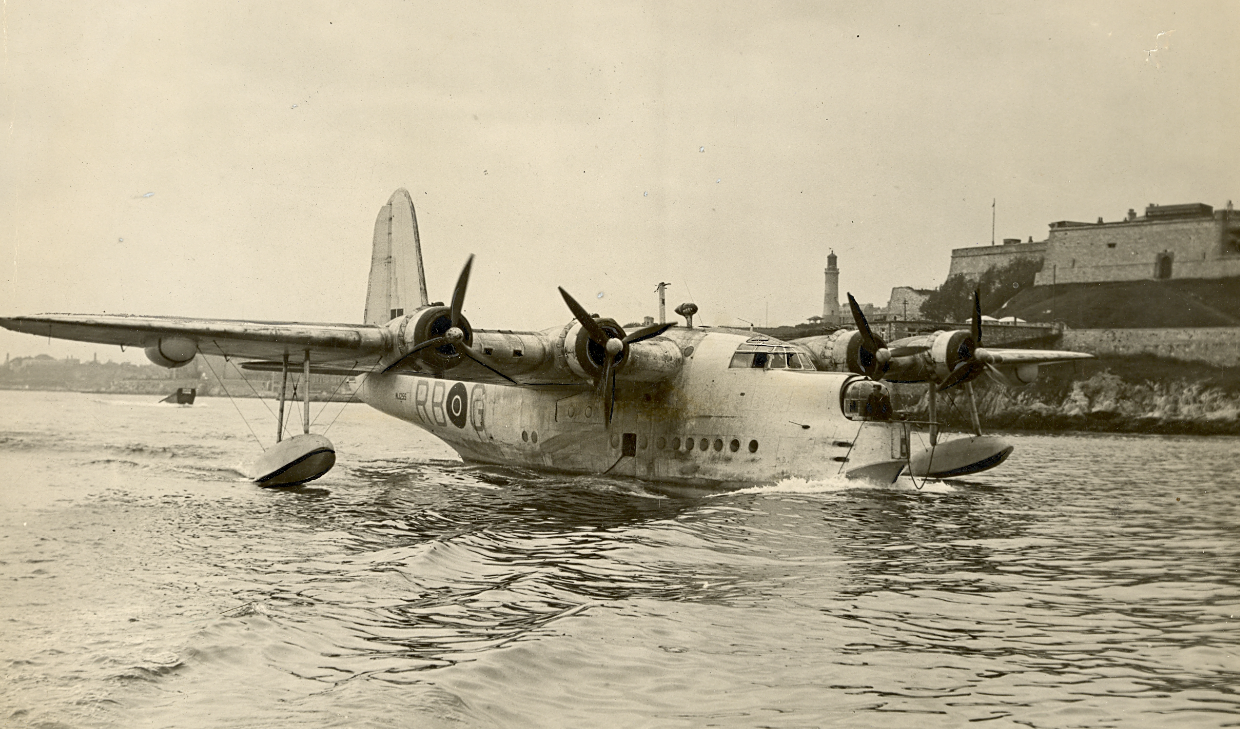
Sunderland Flying Boat
In November 1943, a Short Sunderland flying boat on wartime duties came down in Plymouth Sound, its great hull and wings forced into the water within sight of the Devon coast. The crew escaped, but the aircraft sank to the seabed, where its scattered remains now lie as a rare underwater reminder of the Sound’s role in the Battle of the Atlantic and the era when giant seaplanes rose and fell with the tides and the needs of war.
HMS Scylla
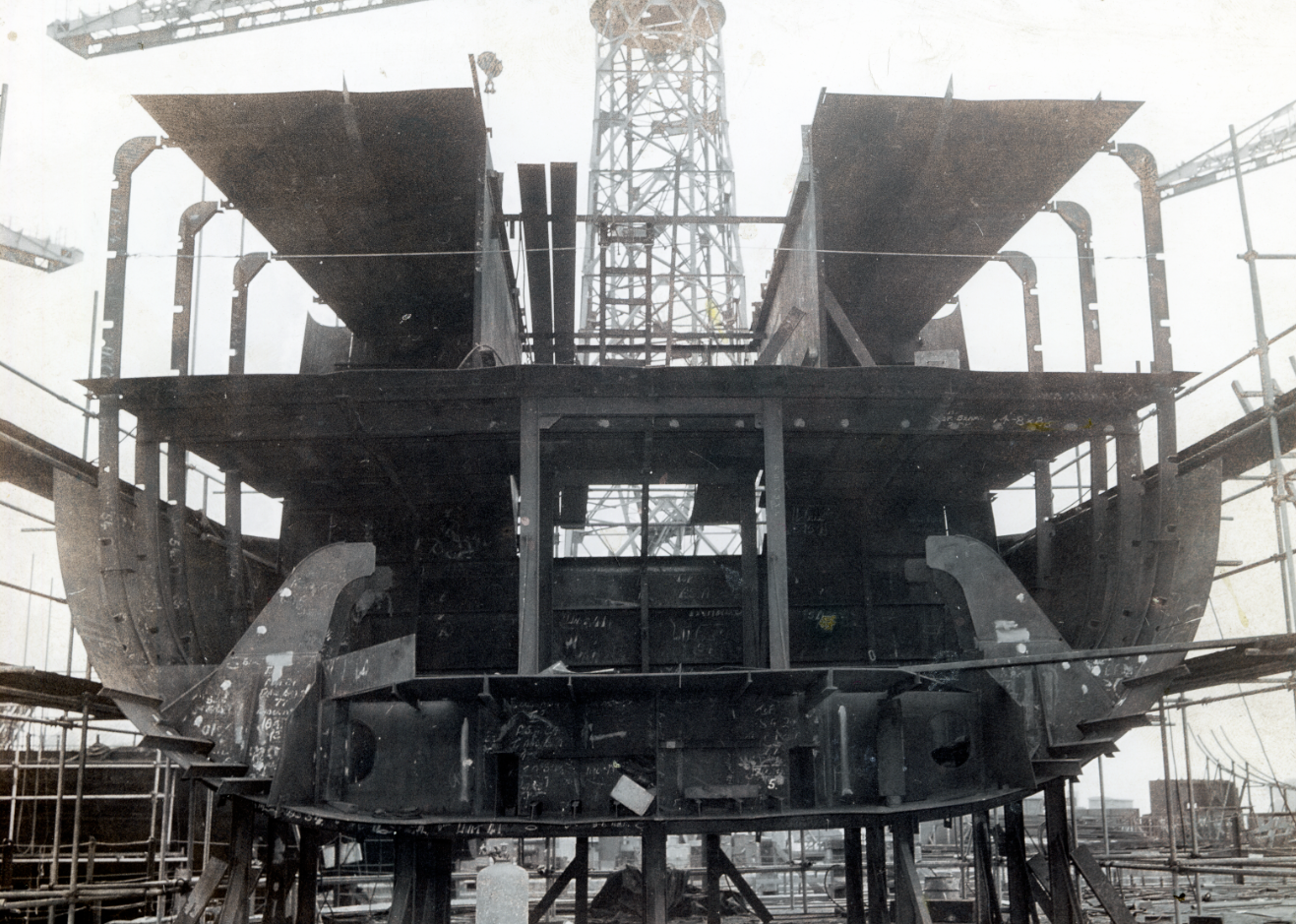
HMS Scylla, a Leander class frigate launched in the late 1960s and built for the Cold War Royal Navy, spent her career on duties from NATO patrols to fishery protection and escort work before decommissioning. Refitted over the years to keep pace with new threats, she watched changing eras of naval technology and politics until, in 2004, she was bought by the National Marine Aquarium, carefully cleaned, towed just outside Plymouth Sound and deliberately sunk to become Europe’s first purpose made artificial reef, where bare grey steel has since been transformed into a living reef of kelp, sponges and fish.
The History of Plymouth Sound Shipwrecks go on…
These are just a few tales from the hundreds of identified wrecks in Plymouth Sound, each one a chapter in a much bigger sea story that is still being written. The stories continue every time a diver follows a rusted rail into the dark, a researcher opens an old logbook, or a local looks out across the water and wonders what lies beneath. To delve deeper into the shipwrecks of the Sound, explore the detailed surveys and research shared by the SHIPS Project, you can also head to The Box (above images supplied by The Box, Plymouth) to uncover more of the secrets, objects and voices raised from the seabed.