
Plymouth Sound is full of heritage treasures – and thanks to National Lottery players, many of them are buzzing with new life and new ways for people to connect with the sea. When talking about heritage, that means everything we have inherited and want to pass on – from historic buildings and military defences to stories, traditions, coastal landscapes and the marine wildlife that makes this place unique.
Heritage Treasures Day is all about shining a light on special places that tell the story of who we are and where we’ve come from. In Plymouth Sound National Marine Park, The National Lottery Heritage Fund’s support is helping to protect historic landmarks, open up new spaces, and invite more people to enjoy our incredible seascape all year round.
Tinside Lido: Plymouth’s Art Deco jewel
Perched on the Hoe, Tinside Lido has been part of Plymouth’s skyline since 1935, a gleaming Art-Deco landmark looking straight out over the Sound. The Grade II listed saltwater pool has welcomed generations of swimmers, sunbathers and day-trippers, becoming one of the city’s most recognisable waterfront icons.
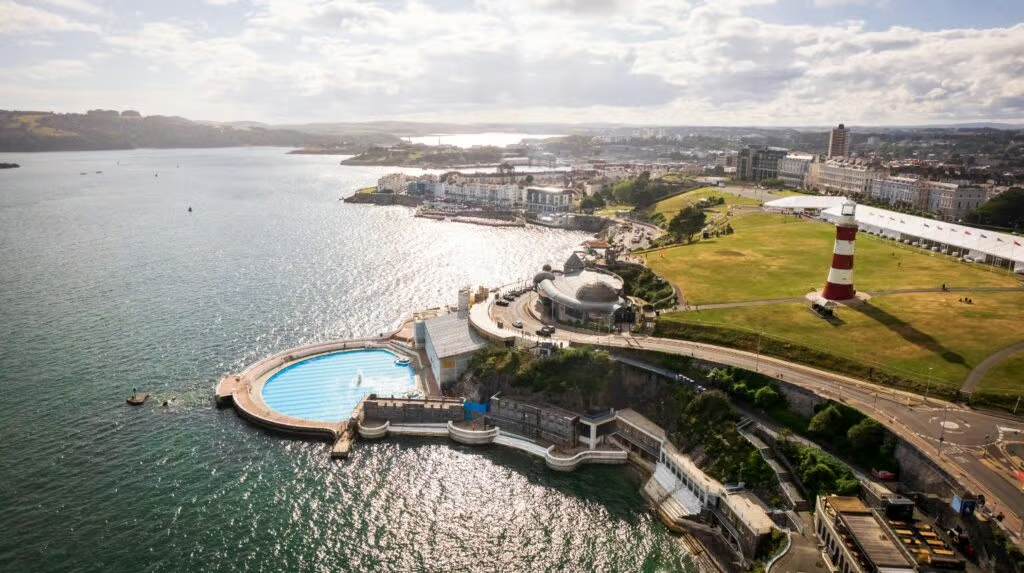
Thanks to £11.6 million from The National Lottery Heritage Fund for the National Marine Park, Tinside has begun a new chapter with refurbished spaces, new community areas and an all-year-round offer. New terraces and event spaces mean it is no longer just a summer swim spot, but a place for gatherings, activities and celebrations overlooking the Marine Park in every season.
Mount Batten Peninsula: from early trading hub to active waterfront
Mount Batten has watched over the entrance to Plymouth’s harbour for thousands of years, from one of the area’s earliest known trading hubs to a key military lookout. The 17th-century Mount Batten Artillery Tower was built to defend the Cattewater, guarding the channel that links the city to the open sea.
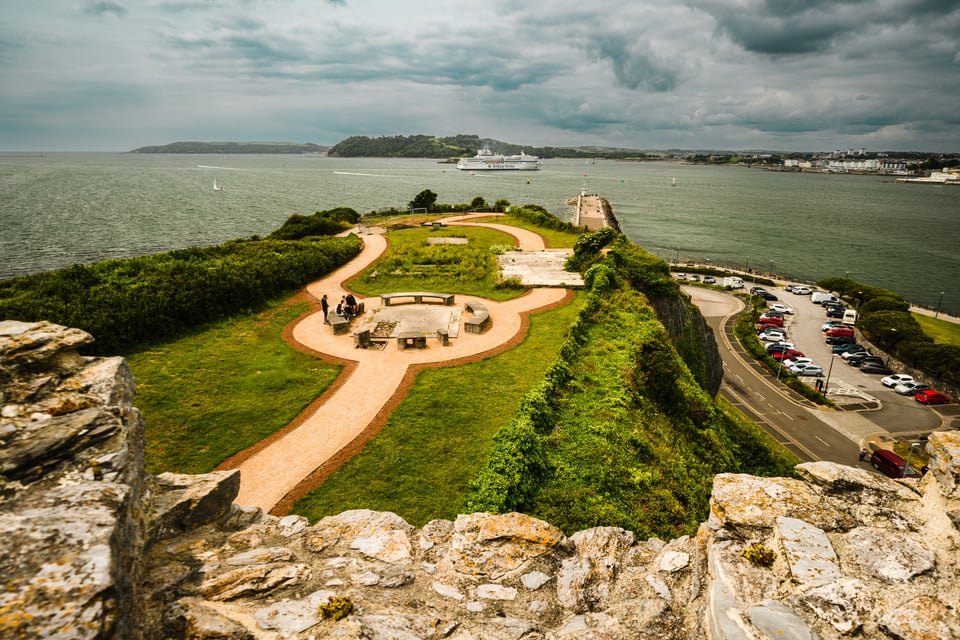
Today, the peninsula is a favourite walking, watersports and heritage spot, with the Mount Batten Centre and coastal paths giving sweeping views across the Sound. Restoration of historic structures, smarter use of old RAF buildings, and investment through the National Marine Park Horizons project are helping the headland feel welcoming, cared for and better connected to the city.
Visitors can explore the area around the Tower, learn about its role in defending Plymouth and enjoy a front-row view of the National Marine Park’s busy waters. And there is more on the way – keep your eyes peeled for exciting changes at the Mount Batten Centre, where improvements will make the site more accessible and open up new spaces for the public to enjoy the waterfront.
Mount Edgcumbe: house, battery and buried stories
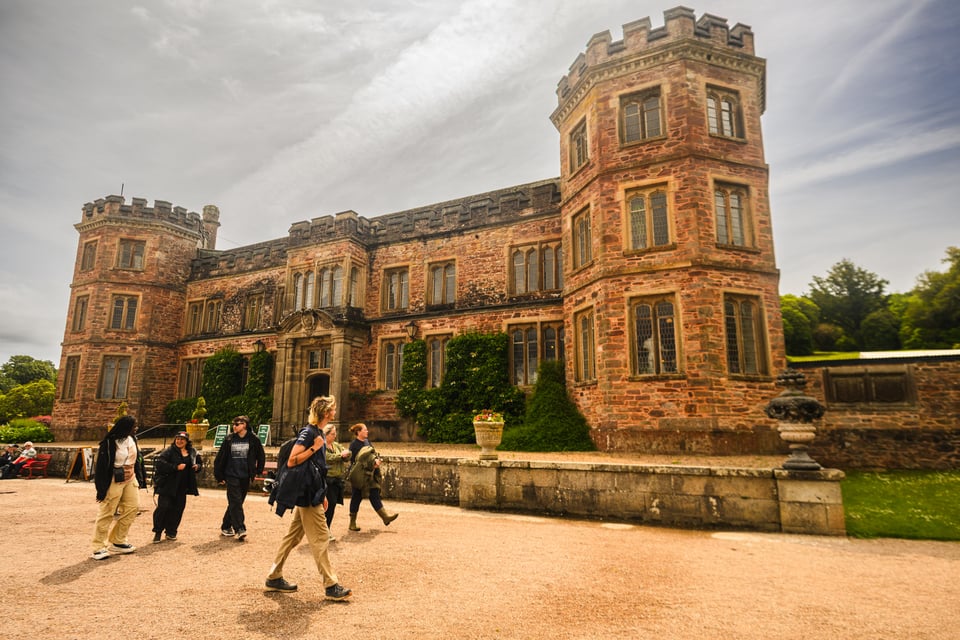
Across the water, Mount Edgcumbe House and Country Park look back towards Plymouth, a historic estate with deep connections to the Sound. The Grade I listed house and its landscaped grounds have long been a vantage point for views of Drake’s Island, the Breakwater and the busy harbour approaches.
Below the house, the Garden Battery forms part of the chain of coastal defences that once protected Plymouth from seaborne attack. Its gun positions and earthworks remind visitors that this peaceful Park was once on the front line of the city’s maritime defence story.
At Barn Pool, archaeology digs supported by Plymouth Sound National Marine Park and delivered with The SHIPS Project have invited people of all ages to get hands-on with history. Community archaeology here has helped uncover buried remains, wartime features and shoreline stories, bringing local people closer to the heritage beneath their feet.
On Heritage Treasures Day, every National Lottery ticket has helped places like these open their doors wider, share their stories more proudly and welcome more people to enjoy, cherish and protect Plymouth Sound National Marine Park for generations to come.