
Salty Spotlights: Changing Seasons, Changing Tides
- Blog
Welcome back to Salty Spotlights, a series of blogs where we invite our Coastal Rangers to write about whatever piques their interest. From wildlife to heritage… Even fish and chips. It’s all on the cards!
This time we are passing the spotlight over the Coastal Ranger Luke as he reflects on recent projects and events around the Park and how to meet the feathery-friends of Plymouth Sound National Marine Park. Take it away Luke!
Ahh, September. The final twinkling days of summer begin to fade as the evenings draw in, the air turns a little crisper, and the first hints of autumn start appearing on the trees. While the season may be changing, things certainly aren’t slowing down in the National Marine Park. It’s never a dull month here, but September was especially eventful. From Seafest and the Great British Beach Clean to a whole host of community activities across the waterfront, there was plenty going on. Yet among all the excitement, there’s one event that I’m especially driven to talk about…
Perhaps you saw the Ford Fiestas placed around the city.
‘Well of course,’ you cry, ‘they’re not an uncommon choice for a car.’
But the cars I refer too, are on the salty side! Within each vehicle is a slice of ocean that rises and falls in time with our tides around Plymouth Sound.
The man behind this tidal feat of engineering is David Cotterall. With his project Intertidal he is dissolving the boundary between the city and the sea and encouraging people to look at the Sound as “present, dynamic and influential with city itself.”
What’s more, it brings awareness to the natural phenomenon of tides: the twice-a-day advance and retreat of the sea. How much do you know about the motion of the ocean?
Below is a video that perfectly explains how tides work and how it creates homes for marine life.

Curious about how tides work and how it creates homes for marine life? Check out the Tide Together page where there’s an awesome video there that explains it all
Pretty stellar right? These tides create what we call the intertidal ecosystem, a mosaic of dynamic habitats. Habitats that range from rockpools; filled to the brim with invertebrate gladiators competing for every tasty morsal, to the vast swathes of mudflats, for which hold a rich bounty beneath their surface. But only the bold can claim this prize. And every winter, as sure as the tide, winged travellers come.
A flock of strange visitors are to return once again to our shores. A flurry of dagger-like beaks, feathers and stilts, a choir of woops, wails and squails, a medley of fantastical forms in numbers you can’t quite believe lest you lay eyes upon them. But this is no circus, no carnival, no Mardi Gras festival: these are the wading birds, who have come to the shores of Plymouth Sound National Marine Park to feed for the winter.
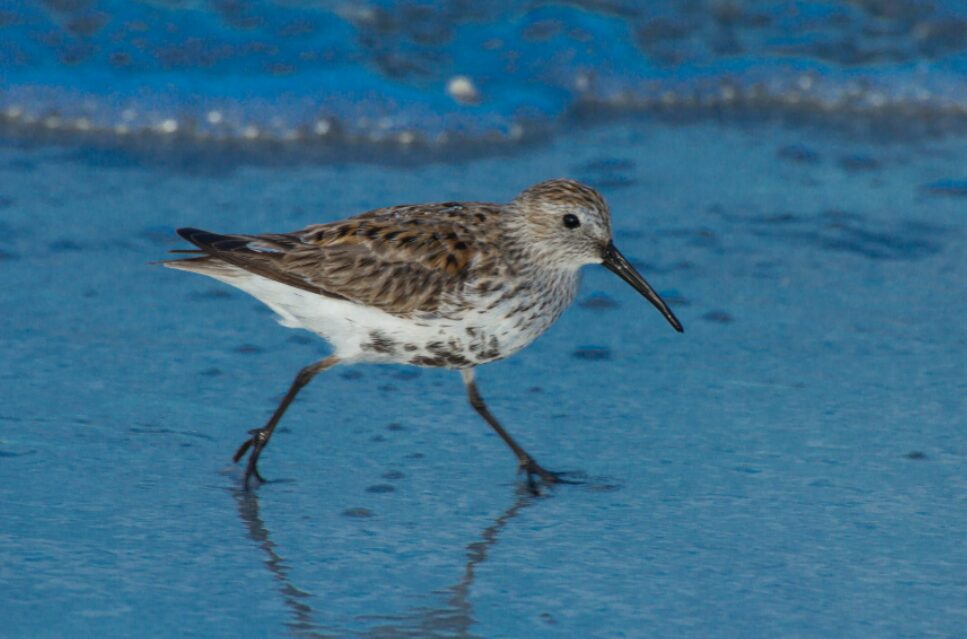
Dunlin
Dunlins often keep to their flocks – small plump looking fellows with a slight droop to their beak and are rather restless and endlessly running back and forth. They like to look busy!
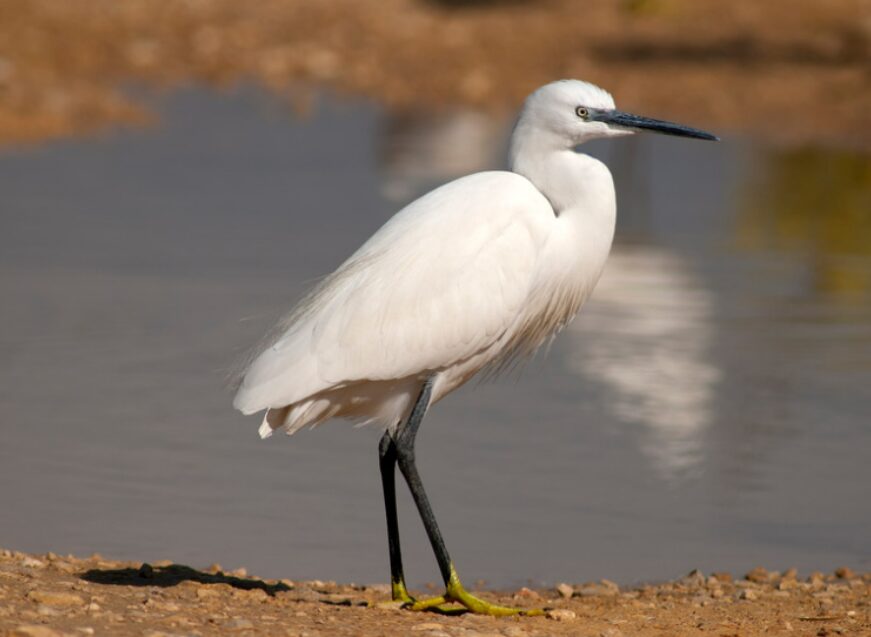
Little Egret
An all-year resident and local celebrity – the little Egret – with his flamboyant yellow feet, long black legs and dazzling white coat – it is unlikely you won’t see one.
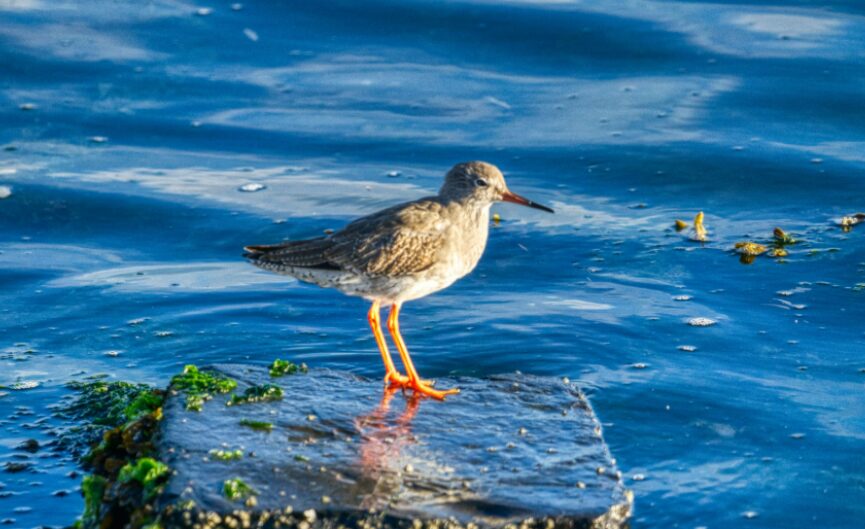
Greenshank
Amongst the rabble, spot the greenshank – a greyish bird with a slightly upturned bill and (as the name suggests) greenish legs. It’s wary cousin, the redshank, can also be seen testing the mud for morsels of grub.
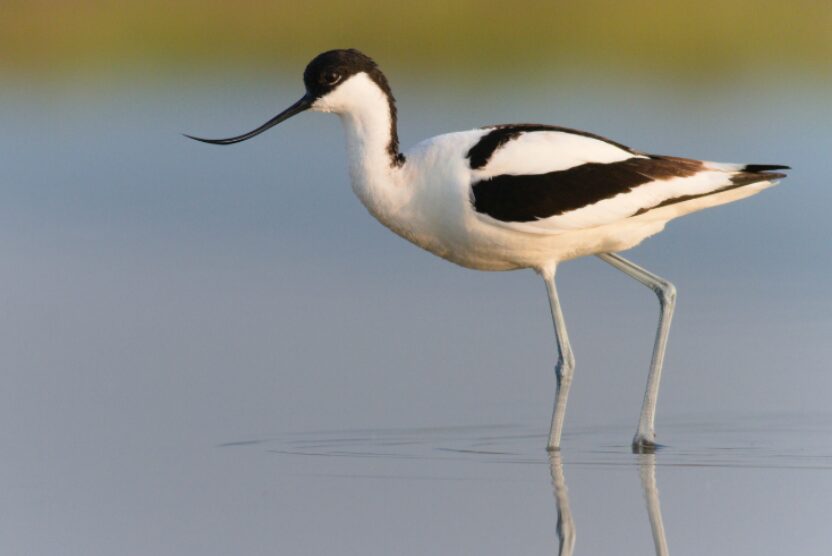
Avocet
And if you are exceptionally lucky, you could catch a glimpse of an avocet colony. They behave strange and look stranger- even a novice birder can spot one from a reasonable distance. Their beak, recurved upwards, is used to “scythe” the water. They swish their beaks to and thro much like medieval wheat farmers, filtering tiny algae and invertebrates from the water.
There are many more waders and waterfowl that visit and live on our shores, I could go on, but that would spoil the fun. Come visit me on one of our Winter Wader Walks and discover for yourself the amazing diversity of bird life that lives in the Plymouth Sound National Marine Park.
Just head to ‘Meet a creature’ on our Salty Scale to find all the events where you can… You guessed it: Meet a creature!