

Tide Together Learning Resources
Twice a day, Plymouth’s coastline transforms as the sea rises and falls, uncovering rocky shores, sandy beaches and fascinating marine wildlife. From crabs hiding beneath seaweed to limpets clinging to rocks, the space between high and low tide is full of life and stories waiting to be discovered. Explore some of the incredible facts, creatures and tidal wonders that make Plymouth Sound so special, then download The Little Book of Big Tides to dive deeper into our ever-changing coast.
Did you know?
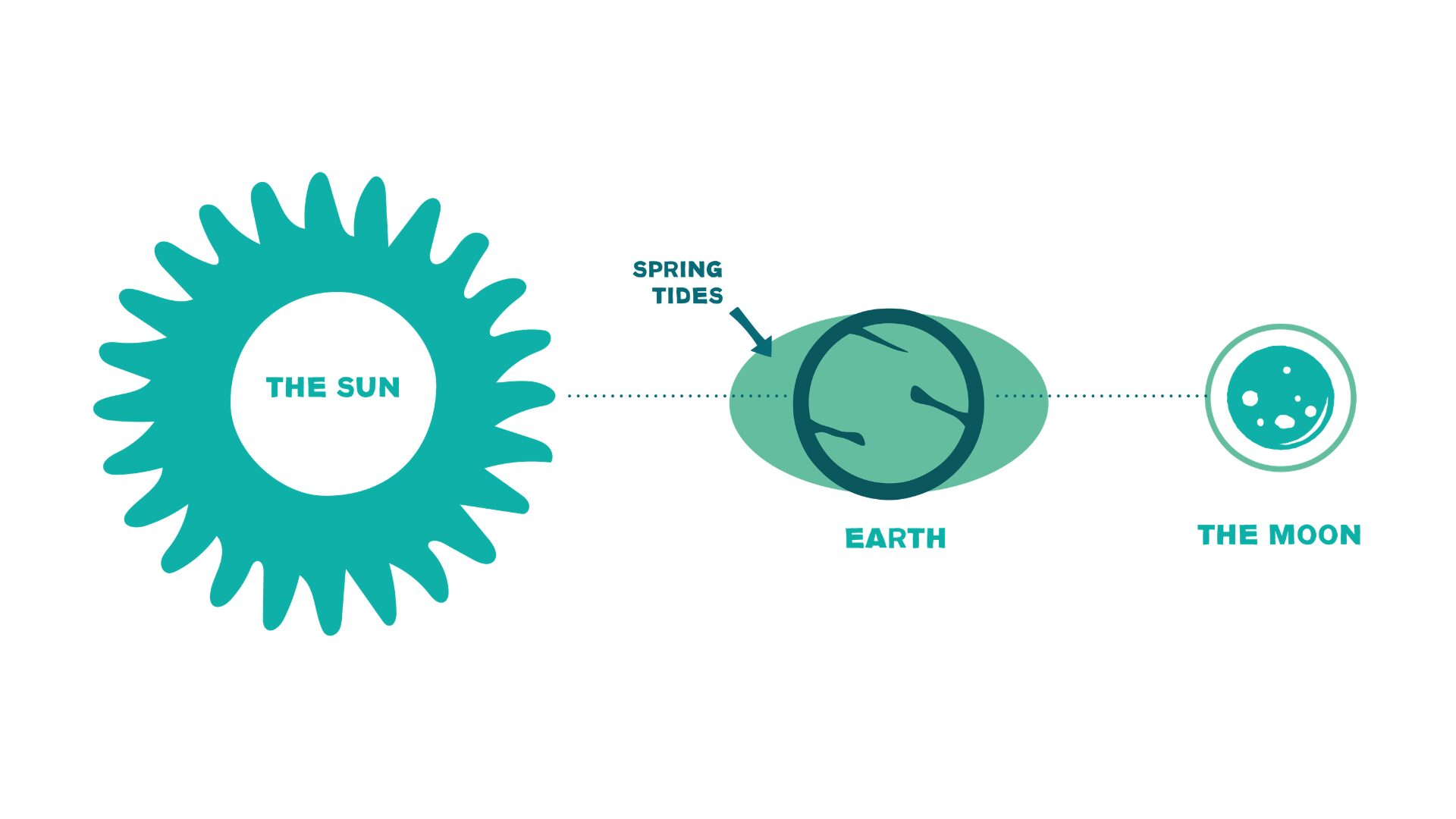
The Moon’s gravity pulls on Earth’s oceans, creating the regular rise and fall of the sea. The Sun plays a role too, helping to create especially large or small tidal ranges throughout the month.
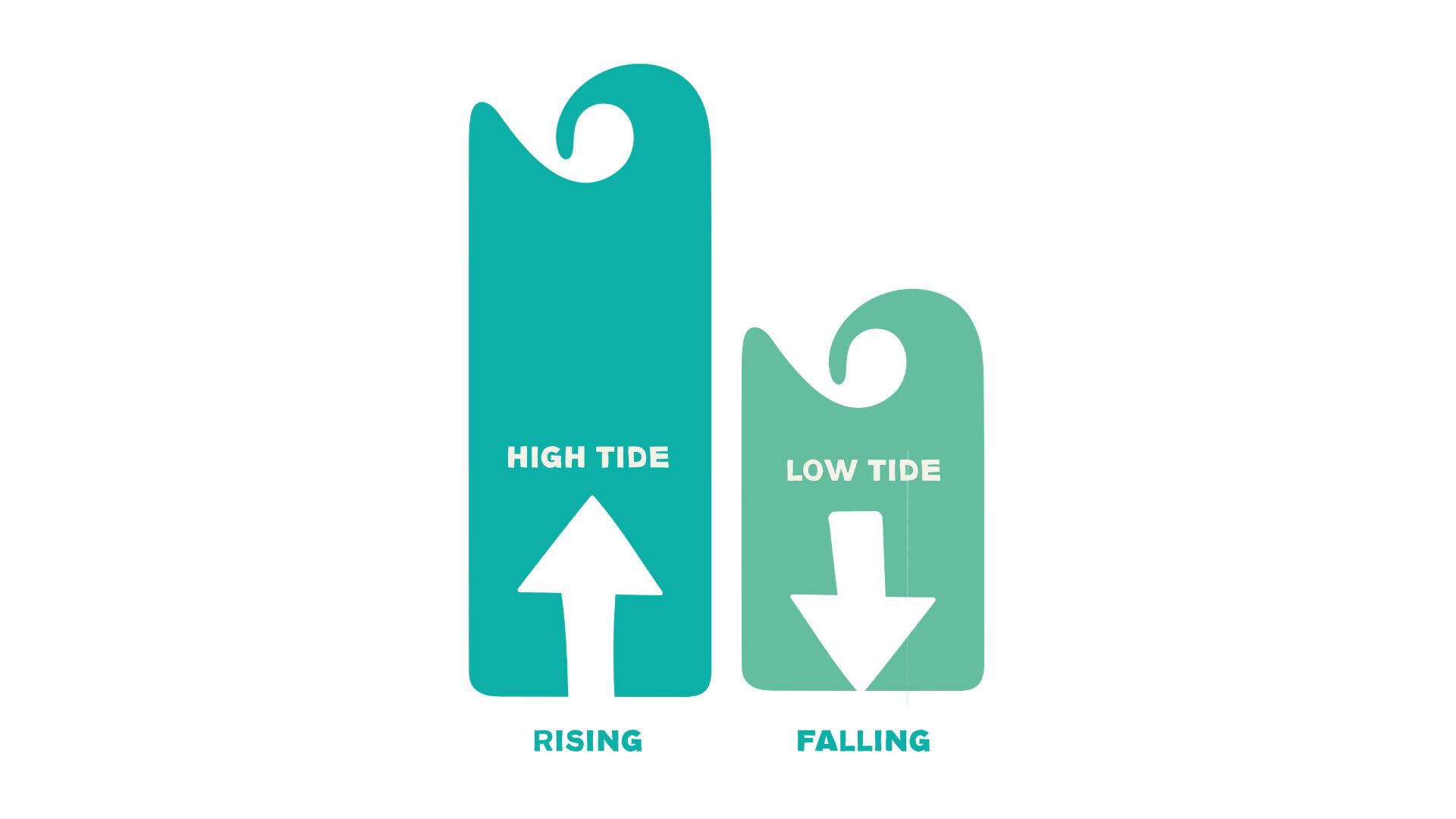
Around Plymouth, there are usually two high tides and two low tides every day. That’s why checking tide times is so important before exploring the coast.
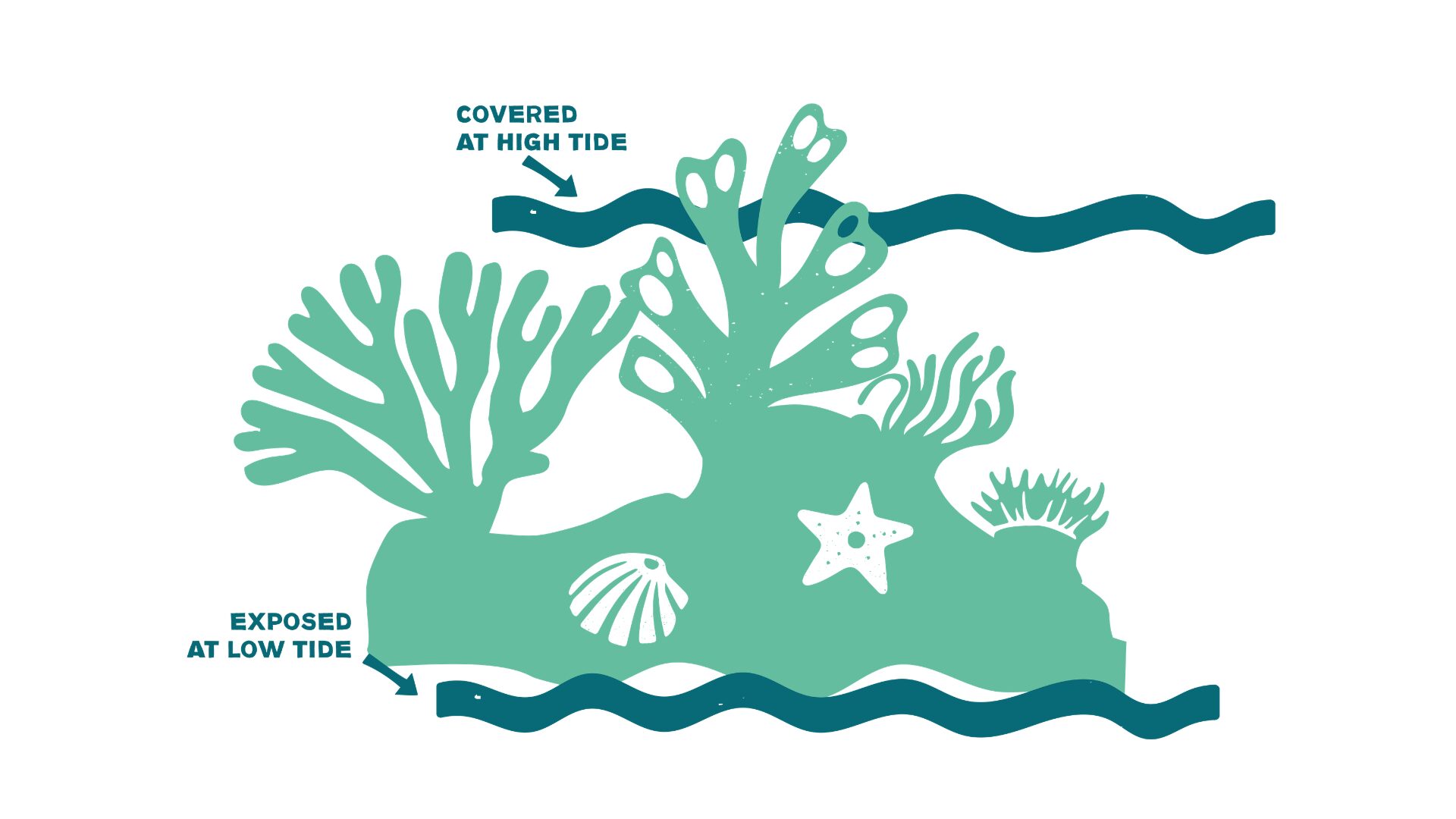
Rock pools, beaches, mudflats and rocky shores all provide habitats for different plants and animals. From seaweeds and anemones to crabs, fish and seabirds, the changing tide creates a variety of homes that support an incredible diversity of life right on Plymouth’s doorstep.
The Little Book of Big Tides
From tide-changing landscapes and incredible marine creatures to the science behind Plymouth’s coastline, The Little Book of Big Tides is packed with activities, facts and challenges for curious coastal explorers of all ages.
Download your free copy of The Little Book of Big Tides and start exploring Plymouth’s ever-changing shore.
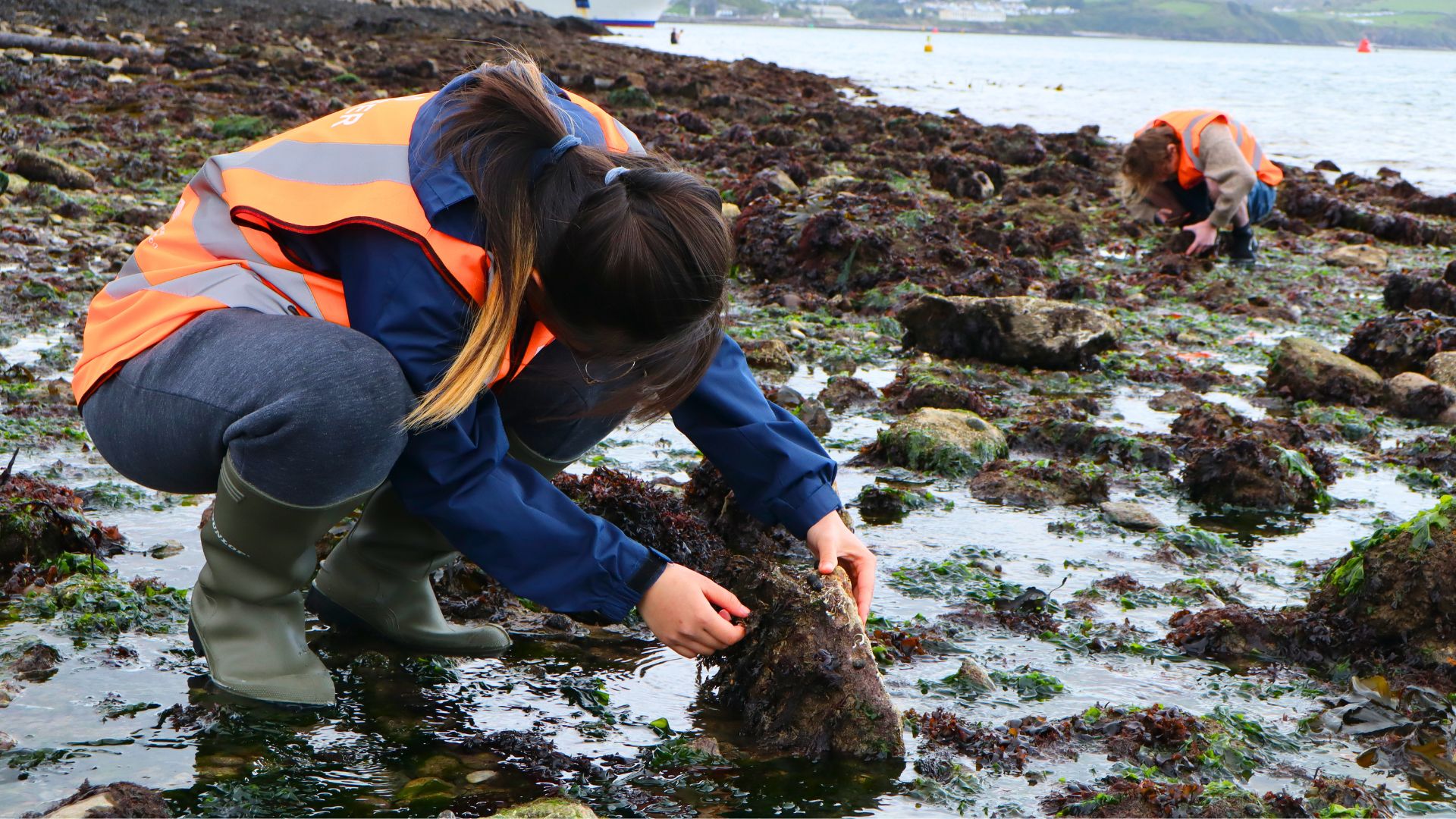
Explore the
intertidal zone
The intertidal zone is the part of the shore that’s covered by the sea at high tide and uncovered at low tide. It’s one of Plymouth’s most fascinating habitats, where wildlife must survive in two very different worlds.
Life here has to be ready to deal with:
- – Strong waves
- – Hot sunshine and cold winds
- – Being underwater as well as drying out
- – Changes in the saltiness of the water
- – Hungry preditors
Meet Plymouth’s Tidal Survivors
Meet some of the amazing wildlife that you can find on the coastline of Plymouth Sound National Marine Park.
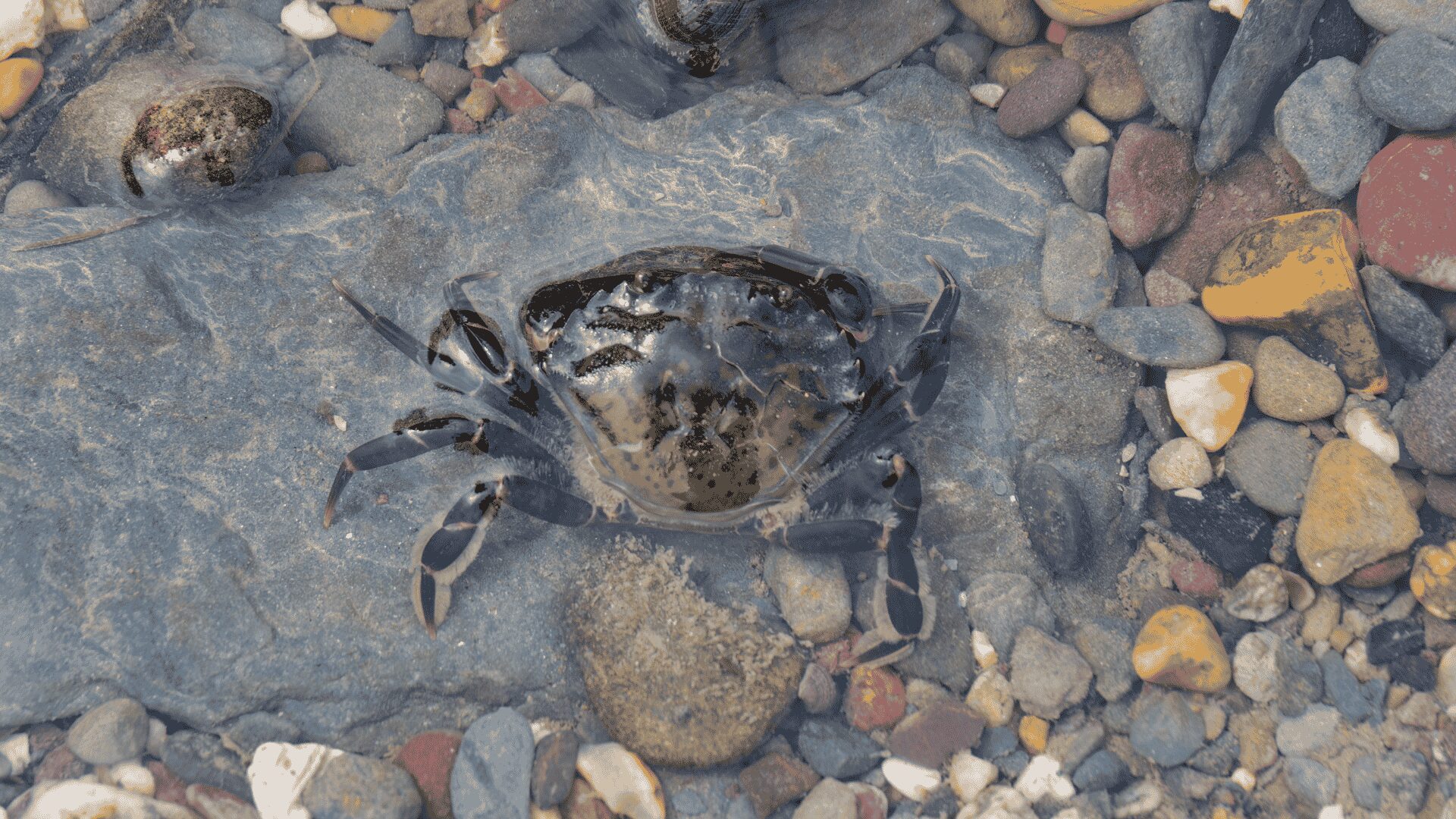
Shore Crab
The Shore Crab (Carcinus maenas) is one of the most common creatures found in UK rockpools and around the shores of Plymouth Sound.
These crabs aren’t picky eaters. They’ll feast on mussels, barnacles, worms, seaweed and even smaller crabs when the opportunity arises. Their varied diet helps keep the intertidal ecosystem in balance.
Fun Fact: A shore crab can scuttle at speeds of up to 1.5 metres per second, making it one of the fastest-moving residents of the rockpool.
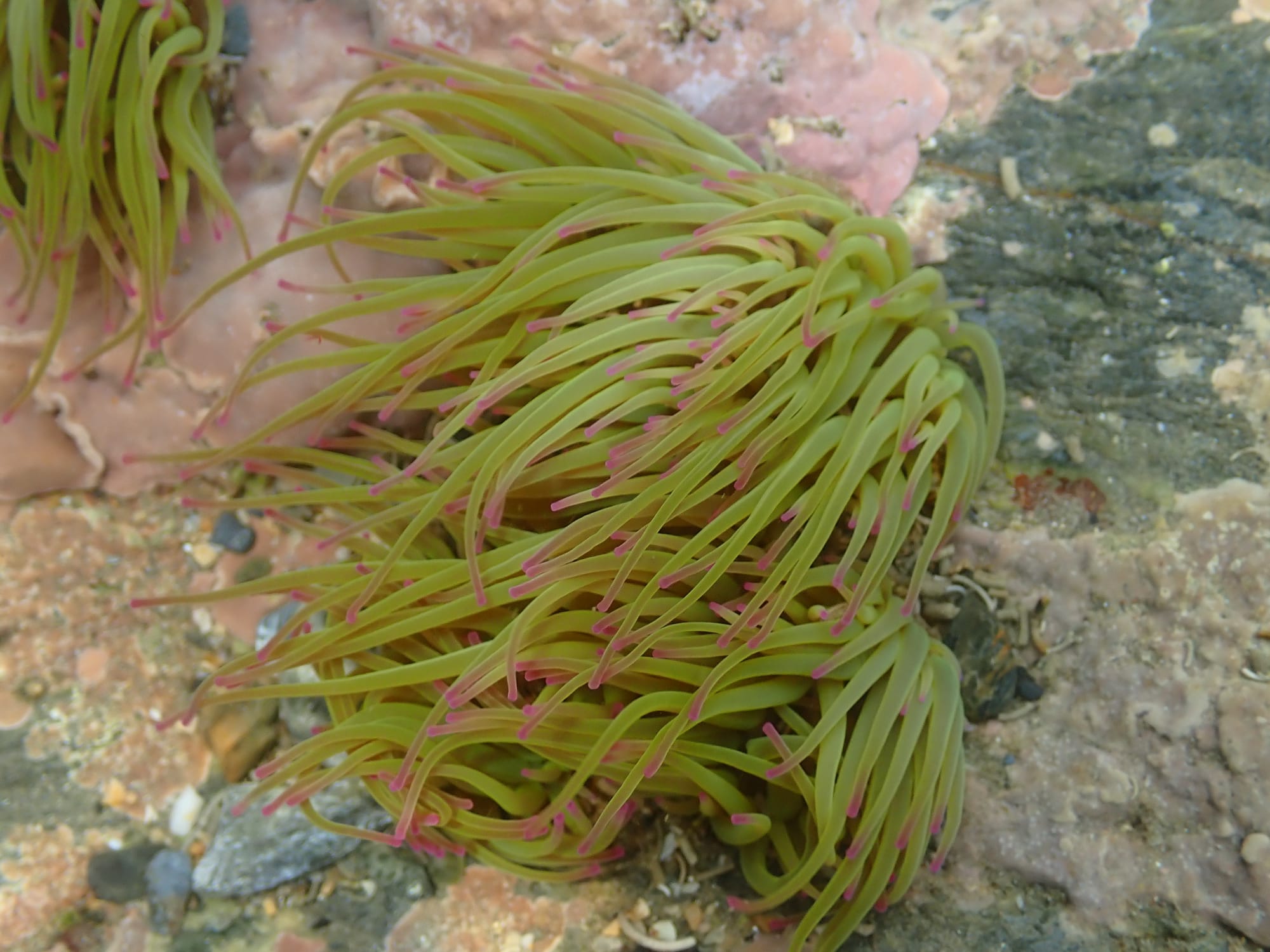
Snakelocks Anemone
The Snakelocks Anemone (Anemonia viridis) is one of the most striking species found in sheltered rockpools and seagrass habitats around southern Britain. Its bright green tentacles are hard to miss.
What makes this species remarkable is that tiny algae live inside its tissues. These algae use sunlight to produce food and share nutrients with the anemone, creating a partnership that benefits both organisms.
Fun fact: Snakelocks Anemones can live for up to 60 years and glow fluorescent green under ultraviolet light.
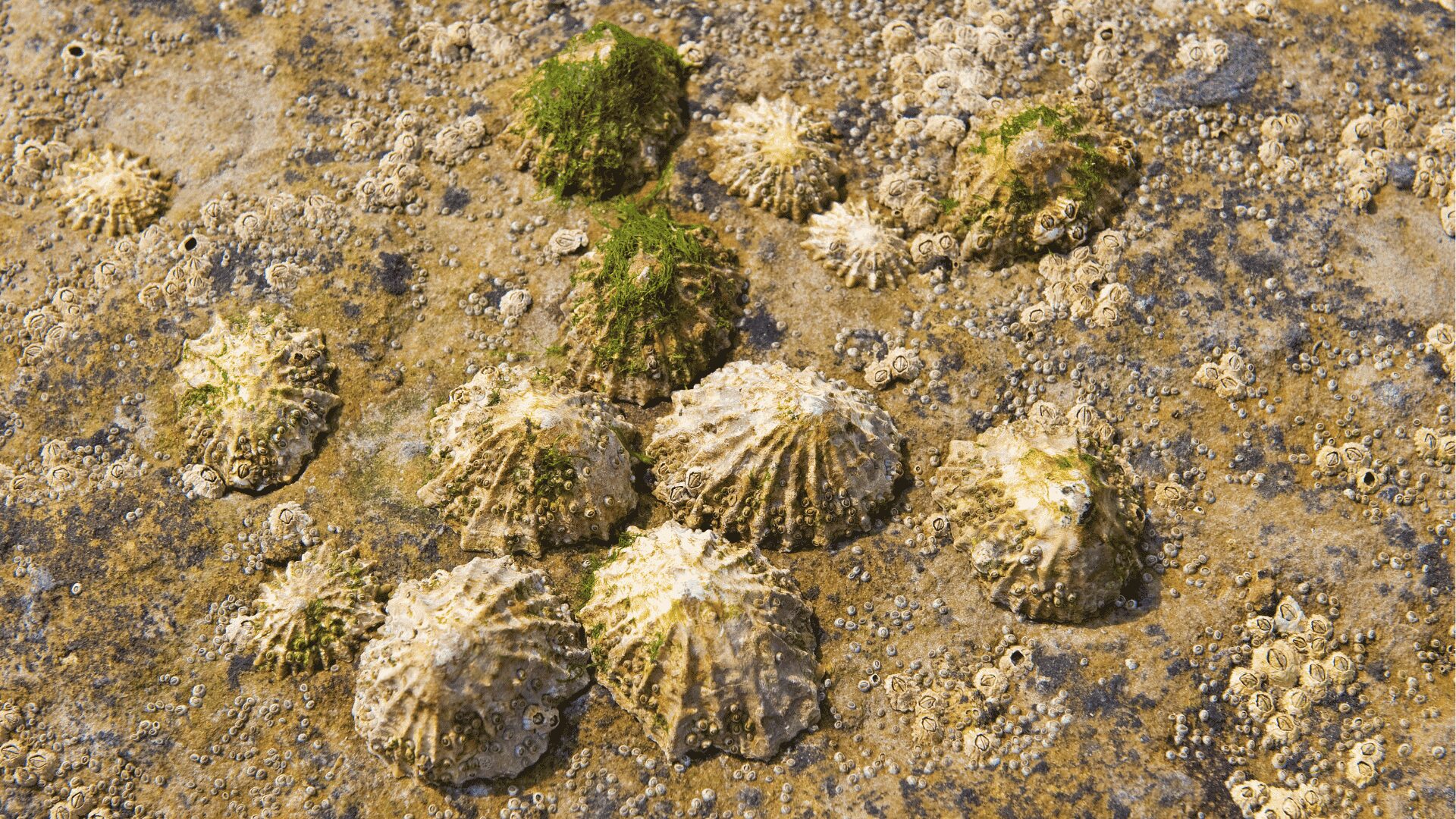
Limpet
The Common Limpet (Patella vulgata) may look like it’s permanently attached to a rock, but appearances can be deceptive.
Limpets regularly leave their resting place to graze on algae growing across the shore. After feeding, many return to exactly the same location, sometimes with incredible accuracy. Over time, they can wear a shallow depression into the rock known as a “home scar”, perfectly shaped to match their shell.
Fun fact: The tiny teeth on a limpet’s tongue are made from one of the strongest biological materials found in nature, helping it scrape algae from solid rock.
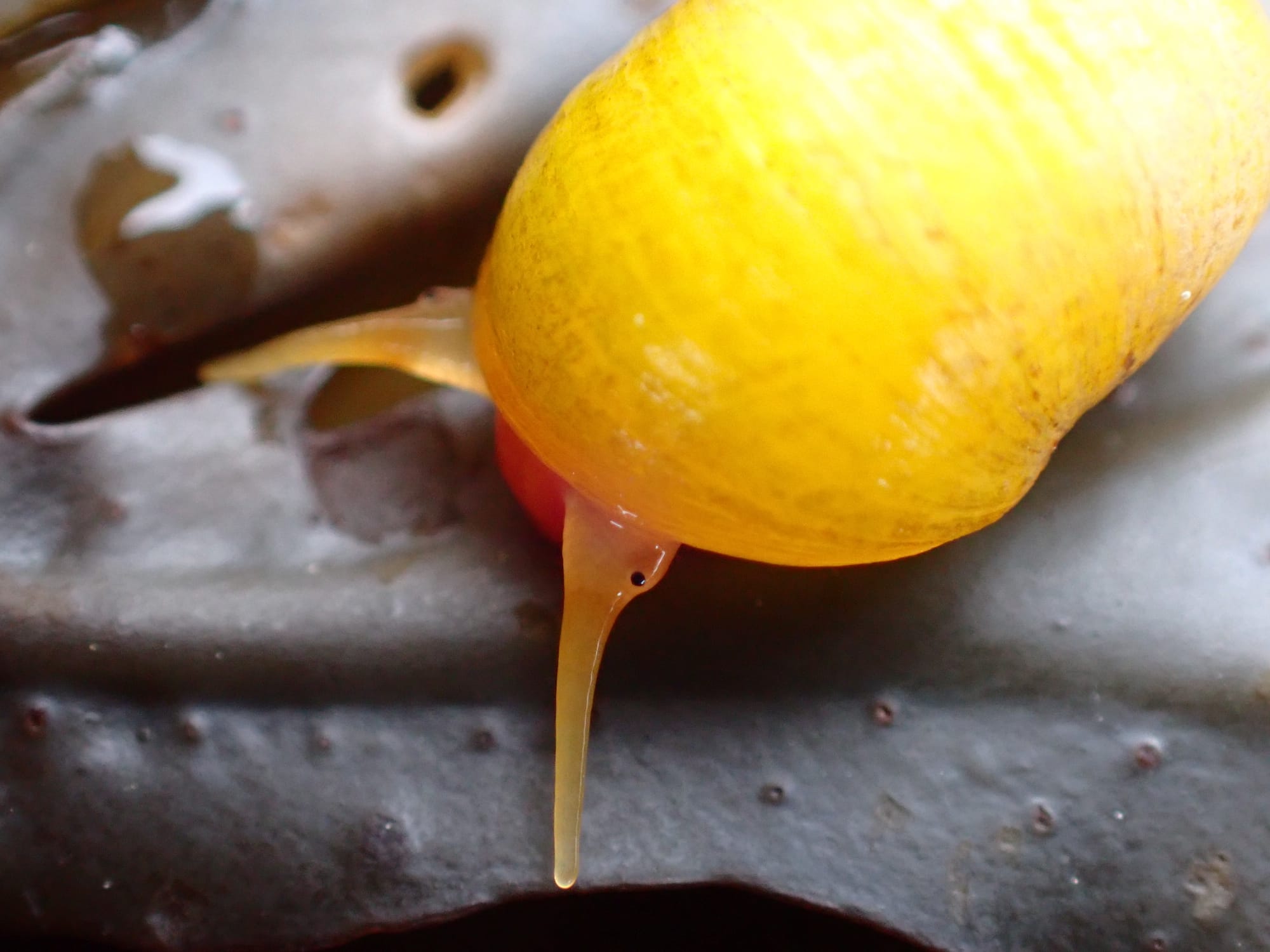
Periwinkle
The Periwinkle (Littorina littorea) is one of the most familiar species in the intertidal zone and can often be found clustered together on rocks and in crevices.
Periwinkles feed by grazing microscopic algae from rocks using a specialised rasping tongue called a radula, which contains thousands of tiny teeth.
Although they are small, large numbers of periwinkles feeding over many years can gradually wear away rock surfaces.
Fun fact: When the tide goes out, periwinkles close a built-in “trapdoor” called an operculum to stop themselves drying out until the sea returns.