
Salty Spotlight: Exploring, Creating and Discovering This Autumn
- Blog
Welcome back to Salty Spotlights, a series of blogs where we invite our Coastal Rangers to write about whatever piques their interest. From wildlife to heritage… Even fish and chips. It’s all on the cards!
This month, Plymouth Sound National Marine Park Ranger Millie shares some of her favourite ways to stay connected to the coast as the seasons change. While summer swims and sunny beach days may be behind us, autumn has plenty to offer. A coastal walk, a cosy craft project, a volunteering session or a fascinating local story can all help you stay connected to the sea.
Many of the ideas Millie shares can also be found on the Salty Scale, our guide to enjoying Plymouth Sound National Marine Park all year round. If you’re looking for fresh air, a new skill, time in nature or a cosy evening inspired by the coast, you’ll find plenty of ways to Stay Salty this autumn.
Take it away, Millie!
It can sometimes feel harder to stay connected to the coast as the colder months arrive. Shorter days, stormier seas and changing weather can make getting in and on the water a little less appealing. But staying salty isn’t just about swimming or watersports. Autumn is one of my favourite times of year to experience Plymouth Sound National Marine Park, with opportunities to explore the coastline, get creative, volunteer, learn something new and enjoy the sea in different ways.

1. Discover the
Sound on foot
One of the best ways to enjoy Plymouth Sound in autumn is with a coastal walk. The sea air feels fresher, the leaves begin to change colour and the waterfront takes on a different character as the seasons shift.
There are plenty of routes to explore around the National Marine Park, whether you’re revisiting a favourite path or discovering somewhere new. Afterwards, treat yourself to a warming drink from one of Plymouth’s many independent coffee shops and take a moment to enjoy the view.
2. Get crafty with
the coast
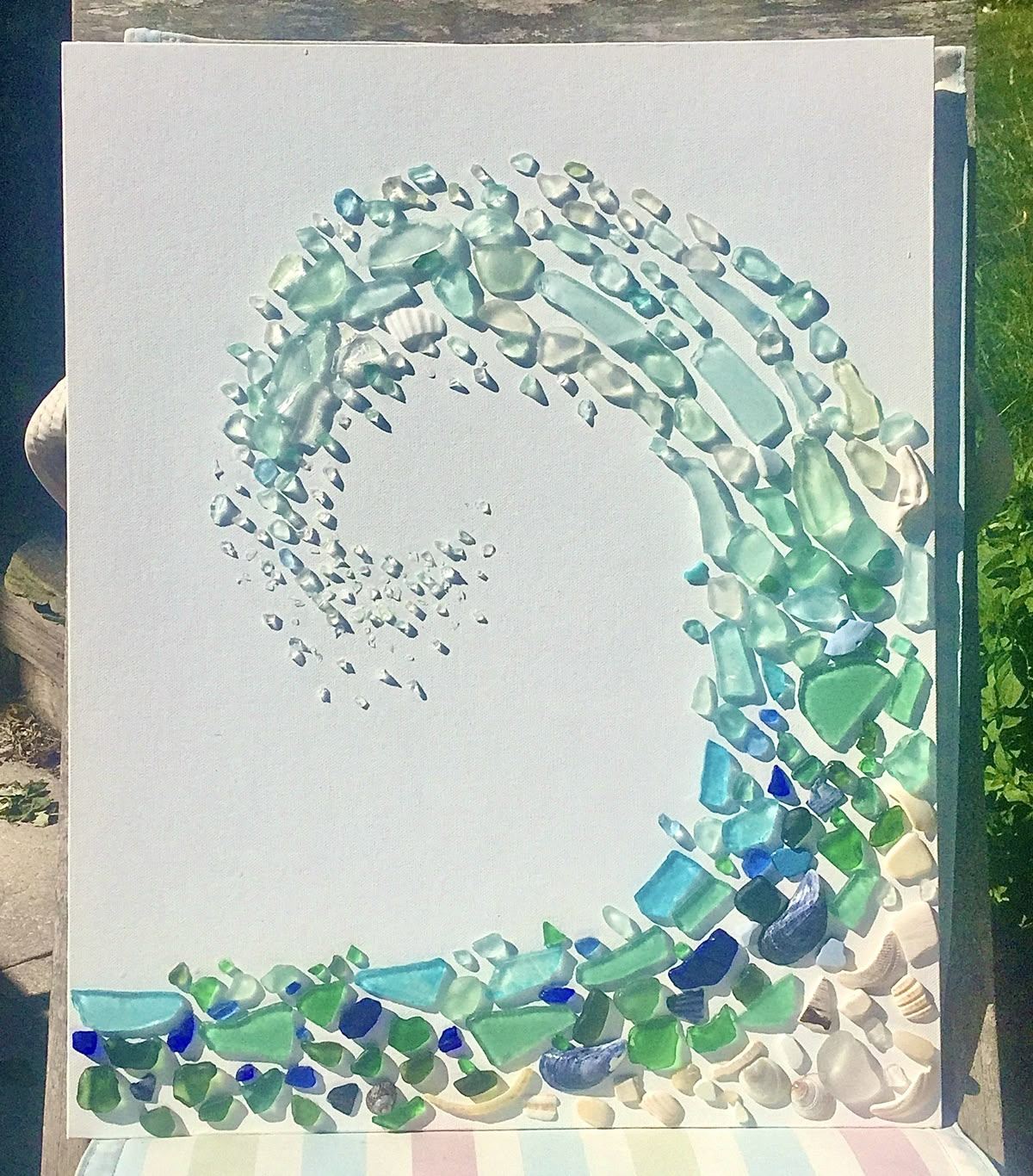
When the weather turns cooler, creativity can be a great way to stay connected to the sea from the comfort of home. One of my favourite projects is creating sea glass artwork inspired by Plymouth Sound.
Using sea glass collected from local beaches, you can create your own picture of a favourite marine animal, coastal plant or view across the Sound.
How to make your own sea glass artwork
Step 1: Collect sea glass from beaches around Plymouth Sound.
Step 2: Draw an outline of your chosen design. This could be a marine animal, seaweed, a lighthouse or a favourite coastal scene.
Step 3: Glue the sea glass onto thick card, following the shape you’ve drawn. If you need supplies, Plymouth Scrapstore in Stonehouse is a great place to find second-hand crafting materials.
Step 4: Add a photo frame. Local charity shops can be a treasure trove for affordable and sustainable frames.
You’ll end up with your own piece of Plymouth Sound to display at home.

3. Try something new this season
If you fancy blowing away the cobwebs, there are lots of opportunities to get involved outdoors throughout autumn and winter.
Coastal Cleans, Shoresearch surveys, Winter Wader Walks and community events all offer opportunities to connect with nature while meeting like-minded people and giving something back to Plymouth Sound.
If you’d rather stay warm indoors, there are plenty of salty experiences to enjoy too. Attend a Tales of the Tides talk, learn more about local history or roll out your yoga mat for a session overlooking the water at Tinside.

4. Dive into a salty story
Learning about Plymouth’s rich maritime heritage is another great way to enjoy the cosy season. Some of the most fascinating stories linked to Plymouth Sound happened hundreds of years ago and still shape the city today.
One story that has always fascinated me is the tale of Plymouth’s first Eddystone Lighthouse.
Here’s a taster of some local history
More than 300 years ago, Plymouth Sound was a dangerous place for sailors. Hidden rocks beneath the surface caused countless shipwrecks. After losing two of his own ships, inventor and entrepreneur Henry Winstanley decided to find a solution.
Construction began in 1696 and, little by little, the lighthouse rose from the Eddystone Rocks. With its ornate design and striking pink exterior, it quickly became one of the most remarkable structures of its time.
Winstanley was convinced his lighthouse could withstand even the fiercest weather. Then, in 1703, the most destructive storm ever recorded in Britain struck the south coast. Determined to prove the strength of his creation, Winstanley travelled to the lighthouse and remained there as the storm arrived.
Sadly, the waves proved too powerful. The lighthouse was destroyed, and Winstanley and the keepers inside were lost to the sea.
Although his lighthouse survived for only a short time, Winstanley’s vision transformed lighthouse engineering and inspired the structures that followed. More than three centuries later, a lighthouse still stands on the Eddystone Rocks, guiding sailors safely through the waters of Plymouth Sound.
Ready to Stay Salty?
Millie’s ideas are just a handful of the many ways to stay connected to Plymouth Sound National Marine Park throughout autumn and winter. Whether you’d like to explore the coastline, get creative, join a community event, discover local wildlife or uncover fascinating stories from our maritime past, there’s something for every level of salty.
Visit the Salty Scale to discover even more ways to Stay Salty this season and find your next coastal adventure.